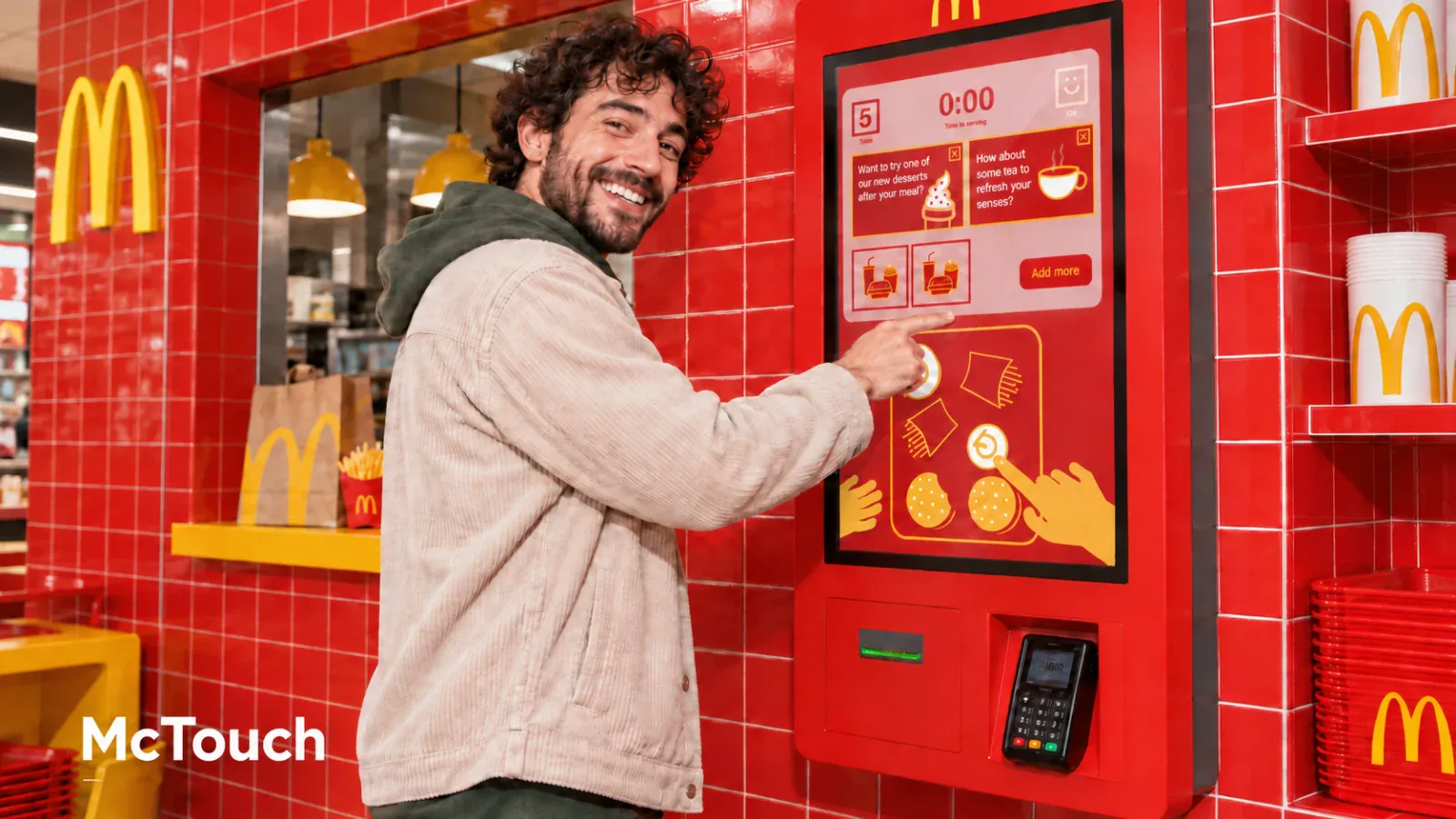
Touchscreens in the restaurants, running an order process that plays rather than processes. We took McDonald’s standard ordering flow and built gamification into it, so choosing a meal became something you did rather than something you filled in.
The animations were made in McDonald’s own brand style, so the play belonged to the restaurant rather than sitting on top of it.
The same system runs in store, on the web and on tablet. Order on the screen in front of you, or preorder on your own before you arrive and pick it up at the restaurant.
In collaboration with OnePlus, we orchestrated the inaugural V-Commerce opus — an exquisite fusion of technological finesse and consumer allure. Our meticulously designed mobile interface, a testament to precision and sophistication, swiftly garnered an impressive 54,000 downloads within the inaugural 24-hour timeframe.
Beyond numerical metrics, this design-forward platform curated a seamless transition from exploration to acquisition, boasting an impressive 30% conversion rate. Users, navigating an elegant interface, effortlessly procured the latest OnePlus handset within the initial day — a testament to the confluence of cutting-edge technology and a meticulously crafted shopping experience.
This achievement transcends the conventional boundaries of product launches, resonating as a design symphony within the evolving landscape of V-Commerce. This design narrative stands as an enduring testament to the limitless possibilities unfurled when technology and commerce intertwine with precision and aesthetics.
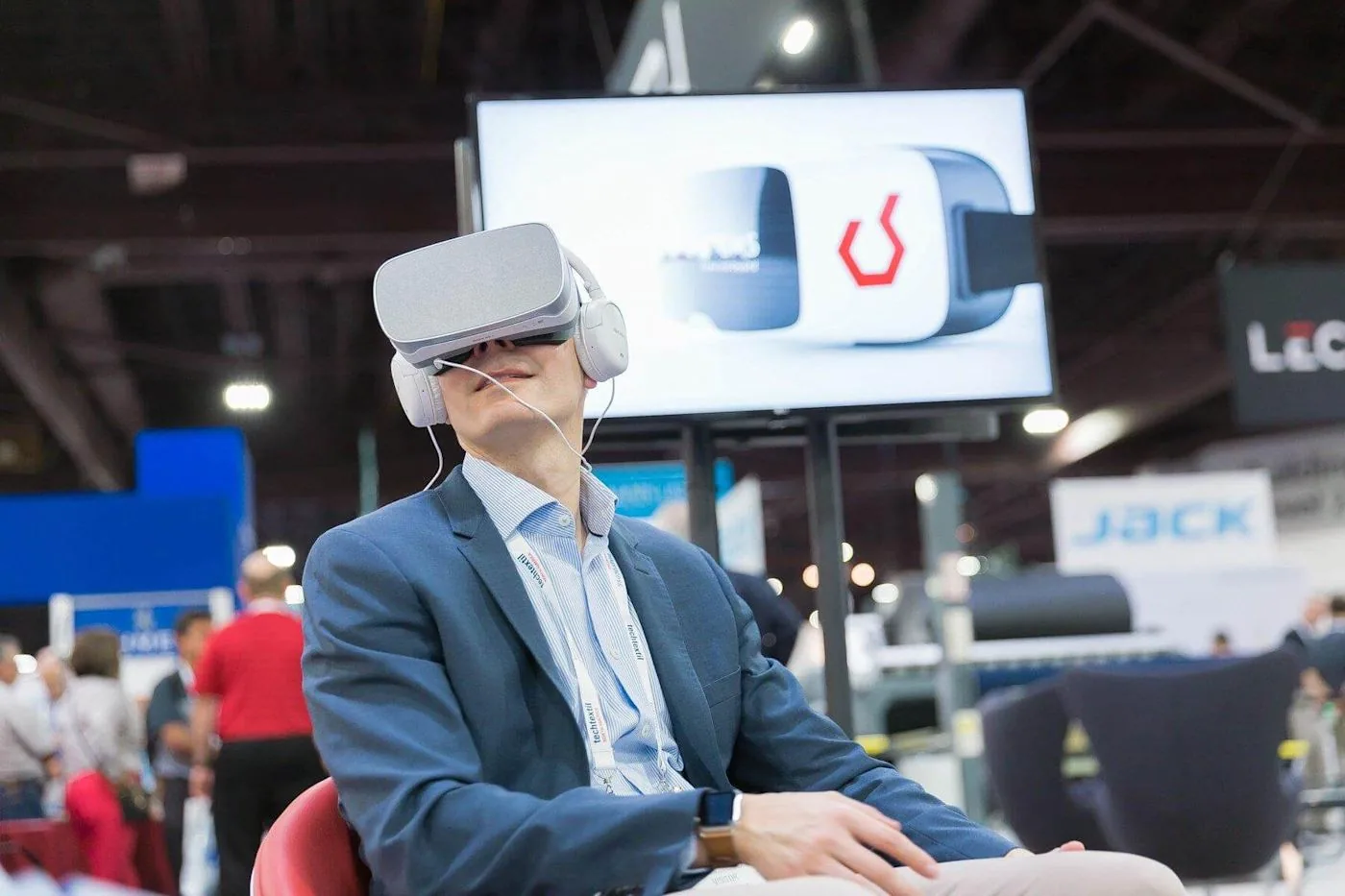
Eton Systems had a new production system for the textile industry that nobody had seen. We built a full-scale virtual production house with an operating Eton line inside it, so buyers could walk the floor before one existed.
It ran with a queue for the length of the event, and produced more conversations than Eton had had at any trade show before.
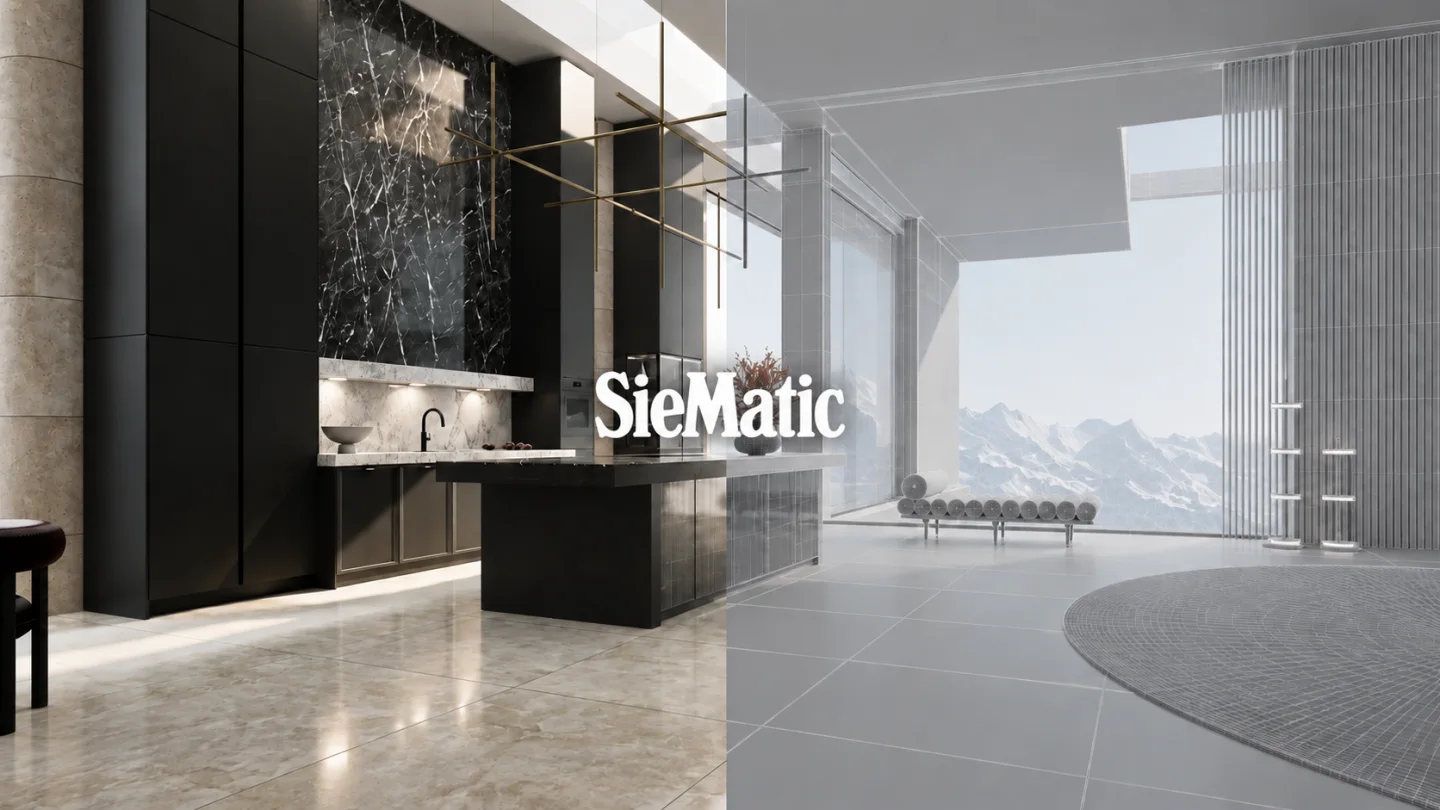
We collaborated with legendary Berlin studio Less Rain to traverse and revamp the siematic.com website, immersing users in a visual landscape where the line between a meticulously crafted rendering and an authentic photograph gracefully blurs, creating an experience that transcends the conventional.
Central to this visual elegance is the fusion of advanced 3D models and the finesse of digital studio lighting, simplifying the once intricate task of modifying elements such as material colors and finishes into a streamlined and notably cost-effective process.
Delving deeper into the realm of interior design, the transformative prowess of 3D rendering takes center stage, providing a sophisticated and intuitive platform for the seamless control of lighting nuances. What sets this platform apart is not just its capability but the swiftness with which one can effortlessly update and tailor lighting conditions within a matter of minutes, underscoring not only its inherent agility but also its responsiveness to the dynamic needs of design aficionados and enthusiasts alike.
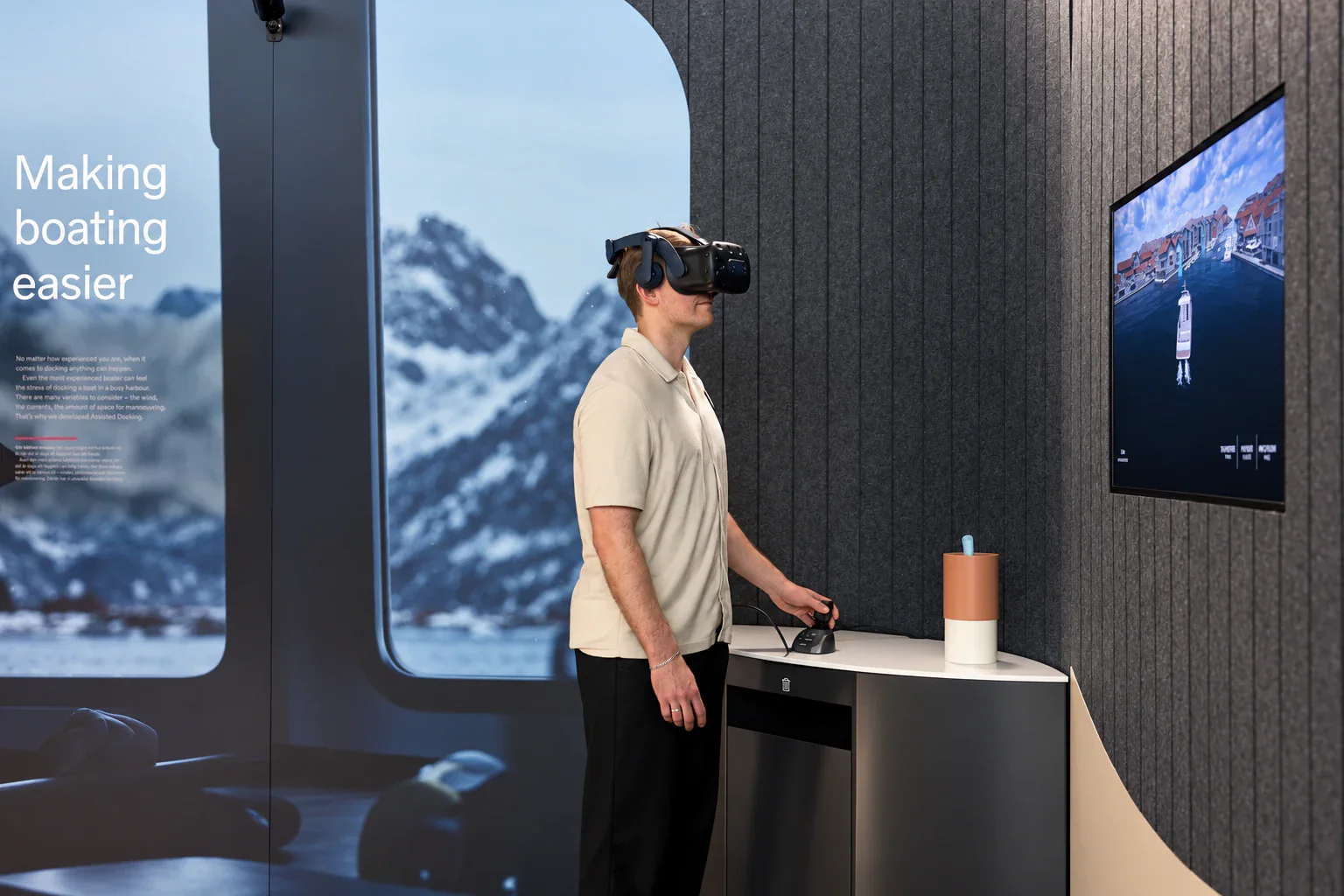
Docking a yacht is where boat owners get nervous. Volvo Penta built Assisted Docking to make the difficult part more predictable; we built a way to try it before taking the helm.
Working with Rapid Images, we recreated Smögen on Sweden’s west coast at full scale in VR. Visitors navigate its harbour in weather ranging from clear sun to rough water, then bring a yacht safely alongside using Volvo Penta’s real Assisted Docking joystick as the controller.
The simulation had to preserve the physical judgement experienced boat owners expect while remaining clear enough for someone who has never handled a yacht. We modelled the boat’s response accurately, then used the assisted system to reveal what changes: less uncertainty, more control and a calmer route into harbour.
The experience was shown at World of Volvo in Gothenburg during 2024, turning maritime technology into something people could feel rather than watch.
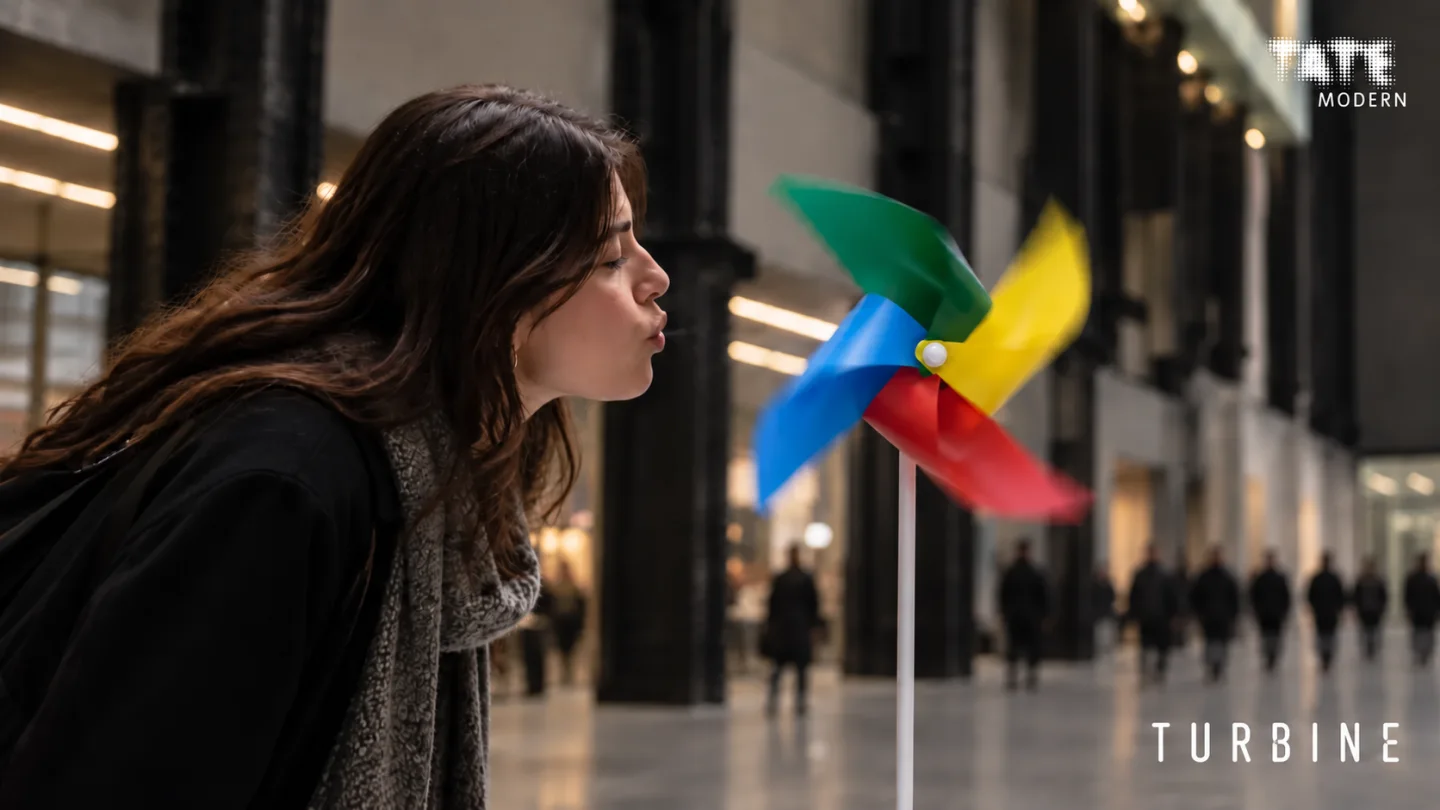
Tate Modern asked what data might look like if it became art. We answered with a £2 plastic windmill and one of the biggest gallery spaces in the world.
At one end of the Turbine Hall, visitors discover a small, gloriously tacky beach windmill. Blow on it and its monumental twin, mounted high on the opposite wall, begins to turn. The harder you blow, the faster it spins — transforming a tiny human gesture into an architectural-scale spectacle.
Behind the apparent simplicity, live data connects the two objects in real time. But the technology was never the star. The magic was in the contrast: disposable plastic against monumental concrete, playground familiarity at impossible scale.
Editorial concept · augmented reality · mobile experience
Print isn’t dead. It just needed a little magic.
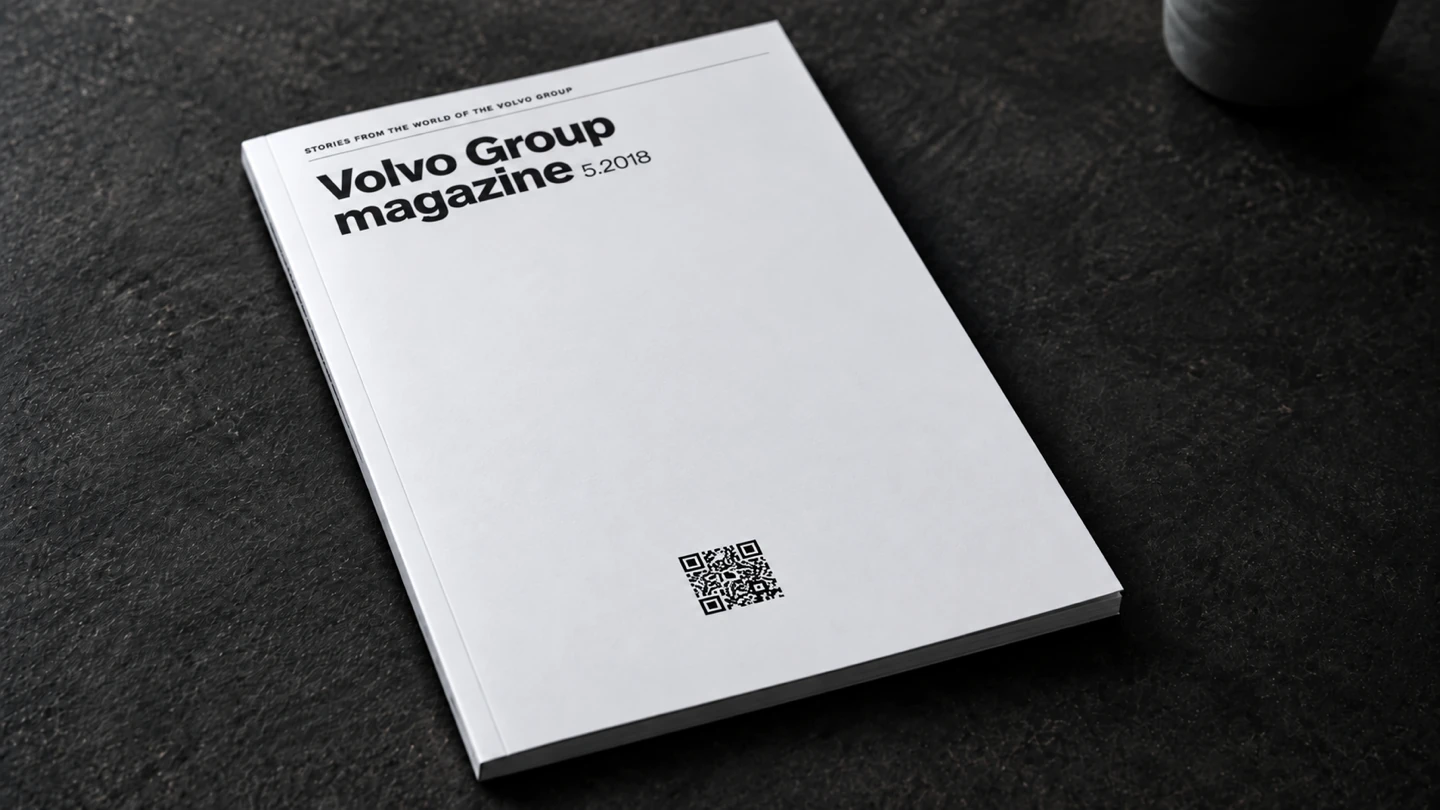
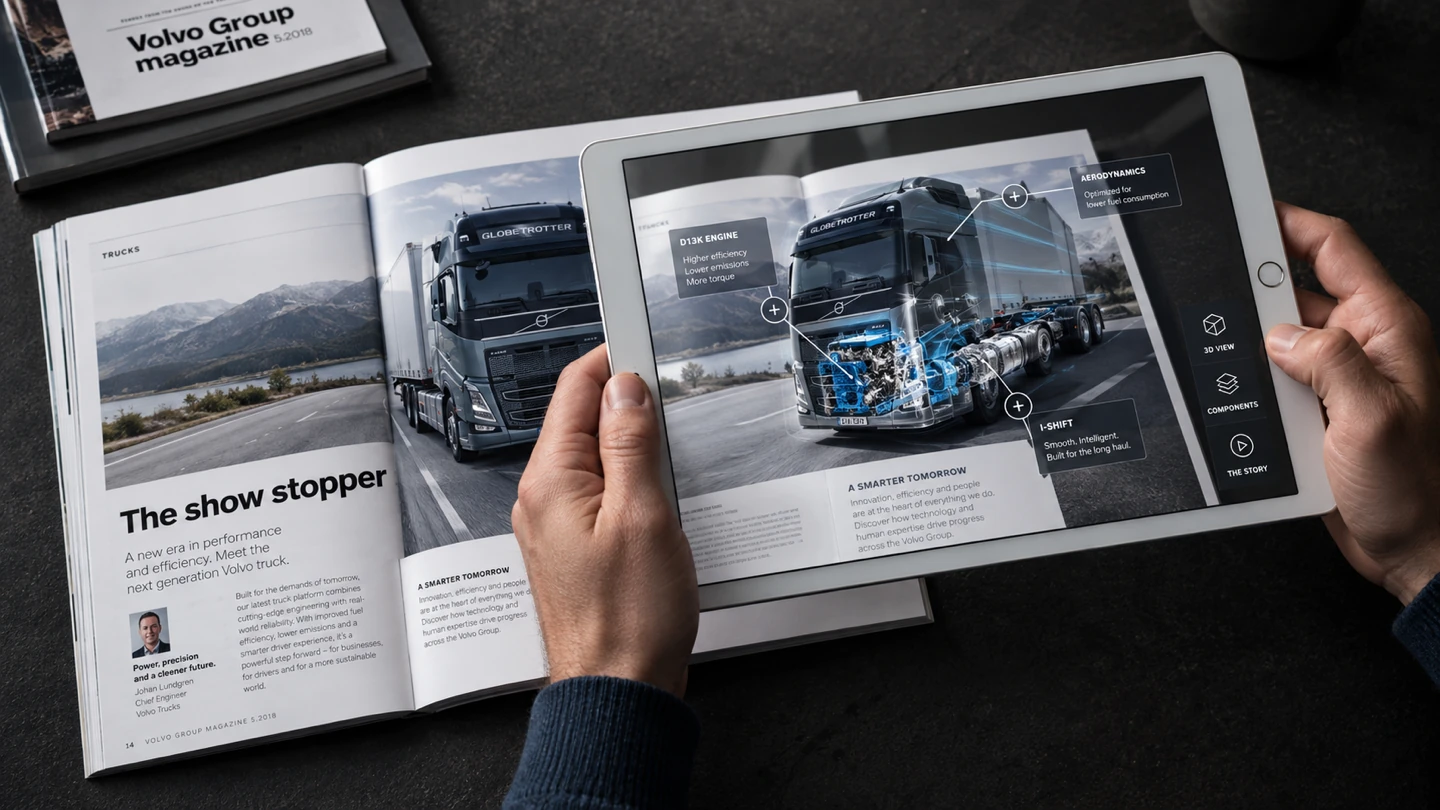
Volvo Group asked us to reimagine its quarterly magazine for the present day. Rather than replace the physical publication with another digital platform, we created AR Stories — a companion app that gave the printed page an entirely new dimension.
Readers simply pointed their phone or tablet at specially tagged stories and images. Pages sprang to life, revealing hidden layers of video, 3D animation and additional stories that could never have existed in print alone.
It turned reading into exploring — while keeping the tactile pleasure and permanence of a beautifully produced magazine at the heart of the experience.
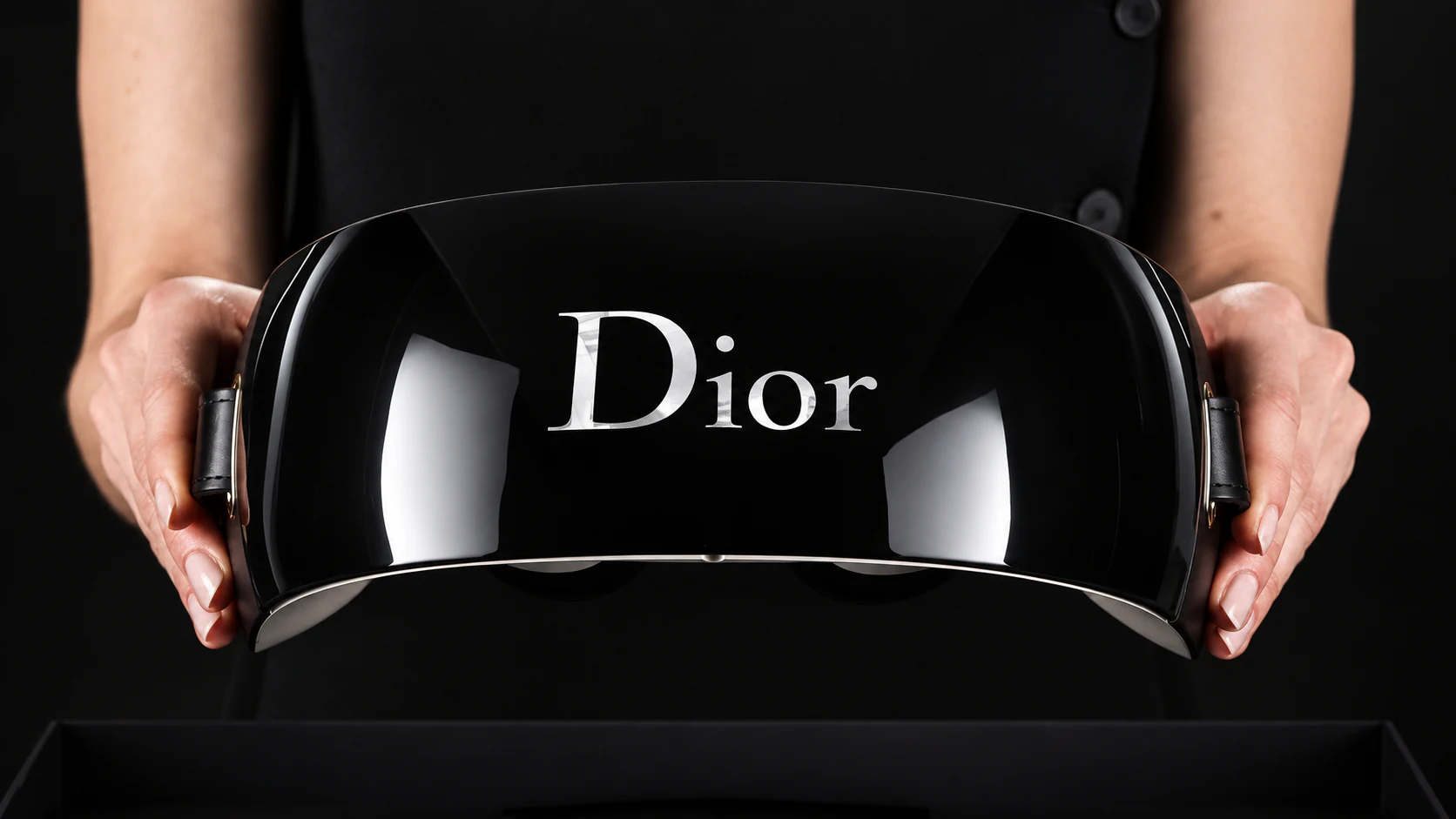
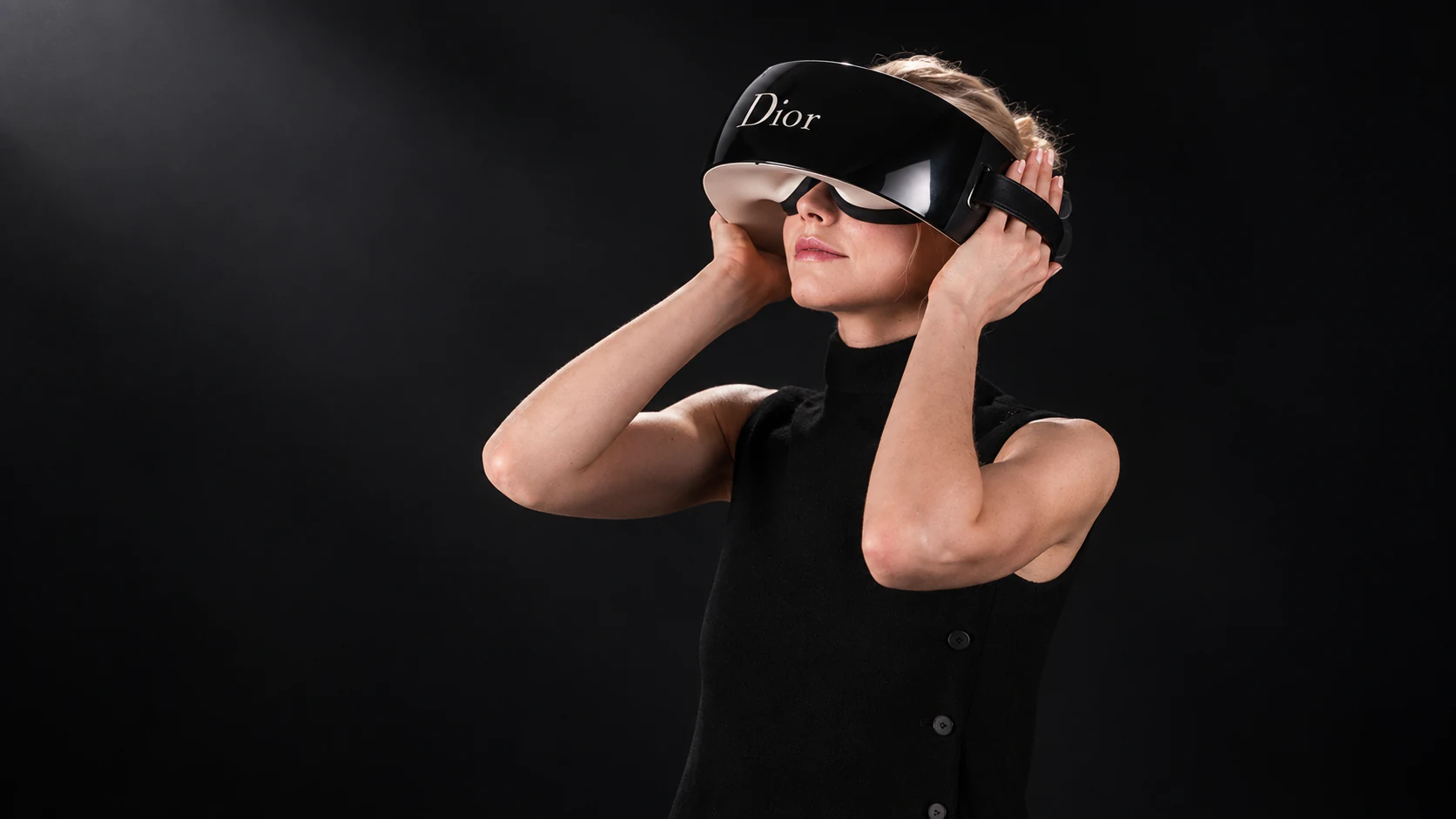
At the intersection of opulence and innovation, Dior presents an extraordinary facet of luxury with its groundbreaking Dior Eyes — a virtual reality headset that unfurls an intimate narrative of the latest runway spectacle. Imbued with the exacting craftsmanship synonymous with Dior's revered couture ateliers, our collaborative efforts brought Dior Eyes, a paragon of immersive technology seamlessly integrated with functionality.
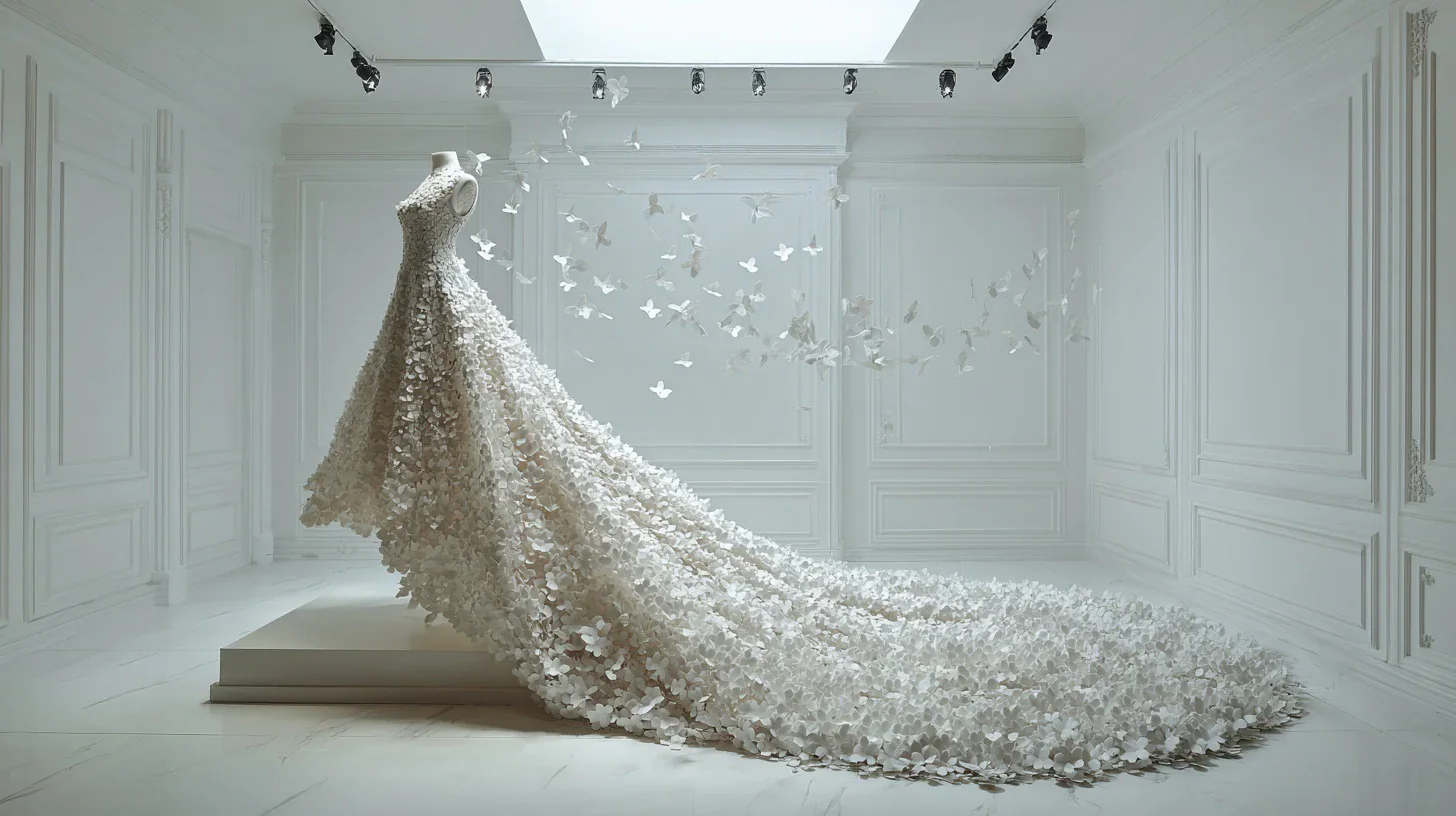
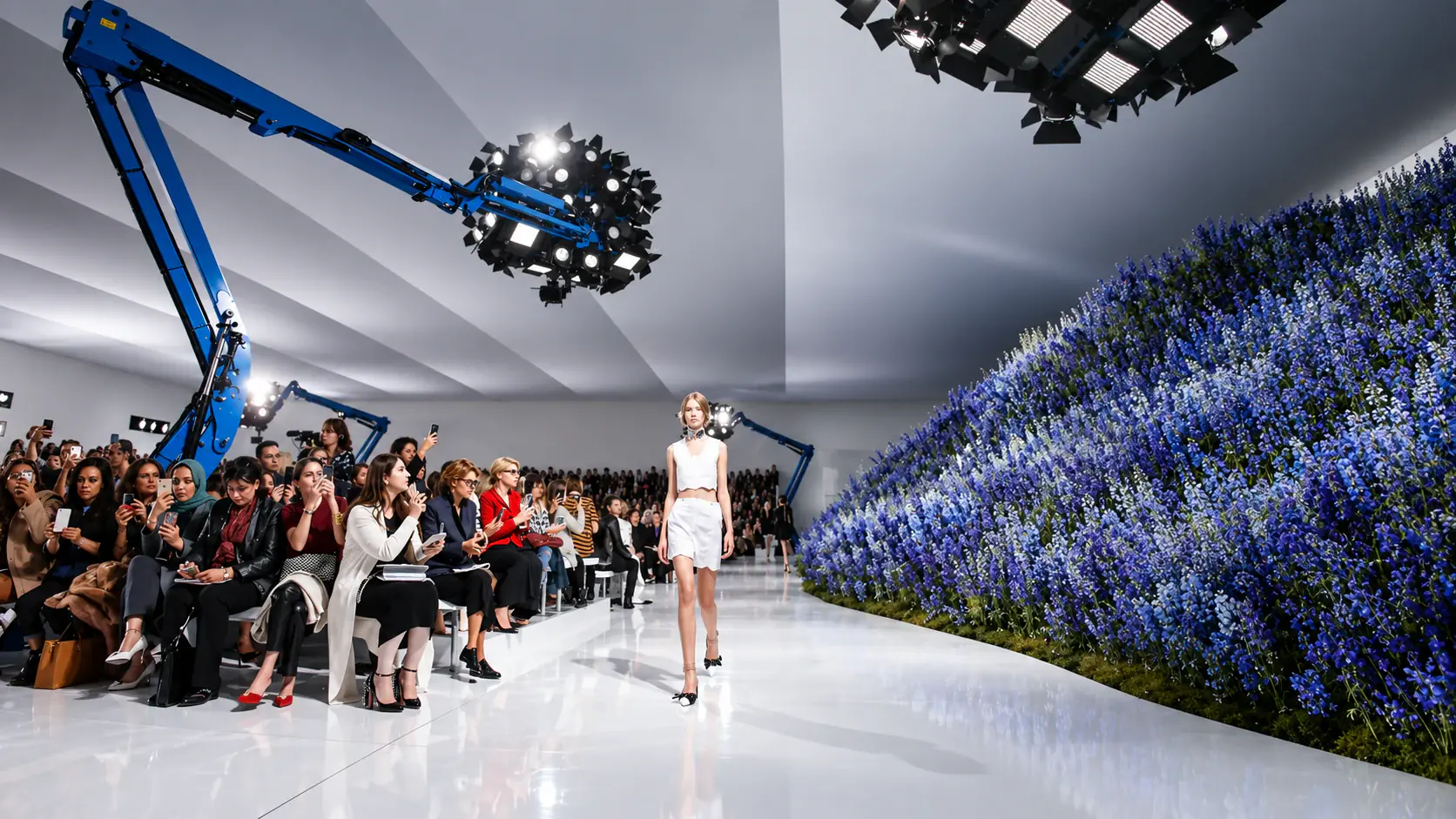
This avant-garde accessory is not merely a viewing device; it's an intricately designed portal into the clandestine world behind the scenes of a Dior runway show. The meticulous artistry of the couture process comes to life through the lens of Dior Eyes, inviting aficionados to partake in the unseen intricacies of creation.
Faithful to the superb quality craftsmanship for which its couture workshops are renowned, we helped in creating Dior Eyes, an ultra-immersive virtual reality headset packed with state-of-the-art technology. Exquisitely designed with refined details, the VR headset lets Dior lovers discover what happens behind the scenes and marvel at the superb craftsmanship that goes into one of the most impressive shows on the Paris fashion calendar.
In essence, Dior Eyes is a journey — a seamless blend of technology and tradition that offers a privileged few an immersive encounter with the essence of Dior. It is a celebration of the meticulous craftsmanship that defines each creation, a testament to Dior's commitment to redefining the intersection of fashion and technology.
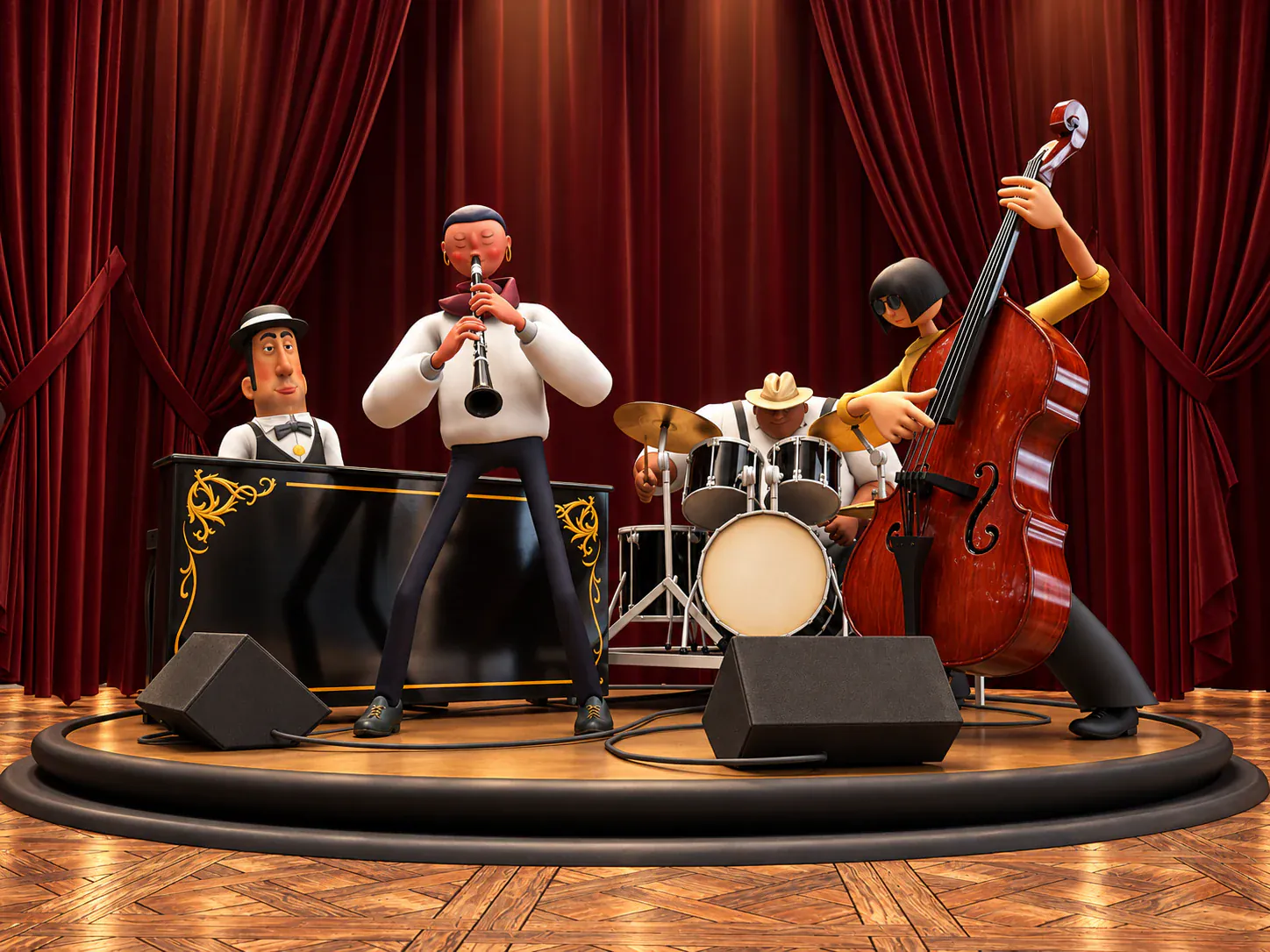
Symfonisk is a table lamp that is also a speaker. For its launch inside IKEA Place, SPACE10 asked us to give people a reason to look closely.
Place the lamp in your room and music starts. Move toward it and the base opens onto a stage, with a jazz quartet playing an original tune inside the speaker.
VR platform · training scenarios · behavioural science
Safer Workers, Less Risk — VR and Behavioral Science
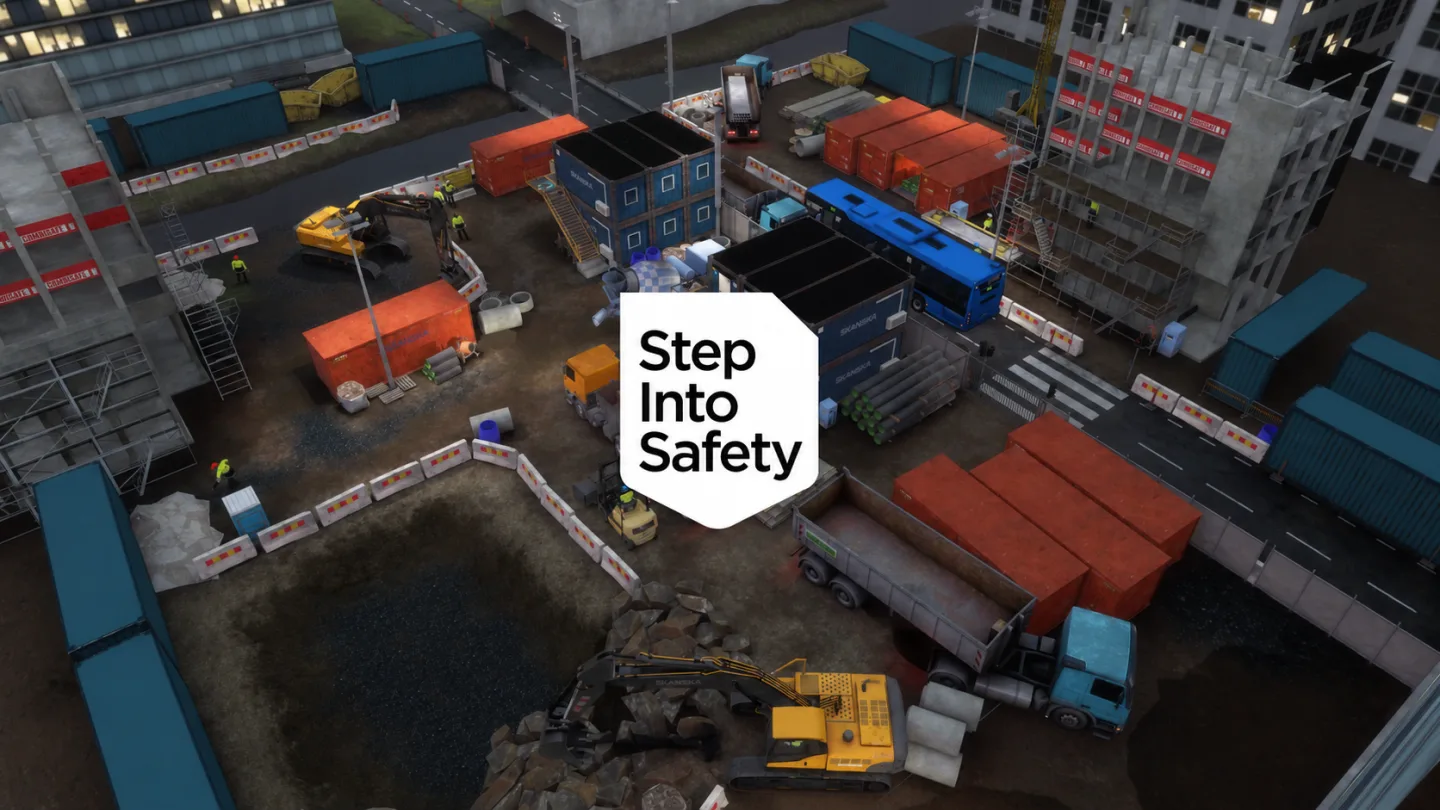
For companies like Skanska, the fifth-largest construction company in the world, helping their workers be more aware of unseen risks and avoiding danger is of the utmost importance.
So for this project, Skanska had a simple but very human goal: to reduce accidents and create safer construction sites.
While still employing many traditional methods of accident-awareness training, they are now collaborating with South North Studios to implement a series of VR experiences into their standard worker-safety training program.
Working in close collaboration with experts from both the production and training departments at Skanska, we built a custom VR platform, designed to enable precise replication of real world construction site situations.
This platform allows us to quickly design, develop and roll out a number of training scenarios over time that focuses on various health hazards common within the construction industry.
Leveraging our holistic approach to virtual experience creation, we make these scenarios both realistic and engaging, leaving the users with feelings, impressions and memories that have the power to instigate long term positive behavioral change.
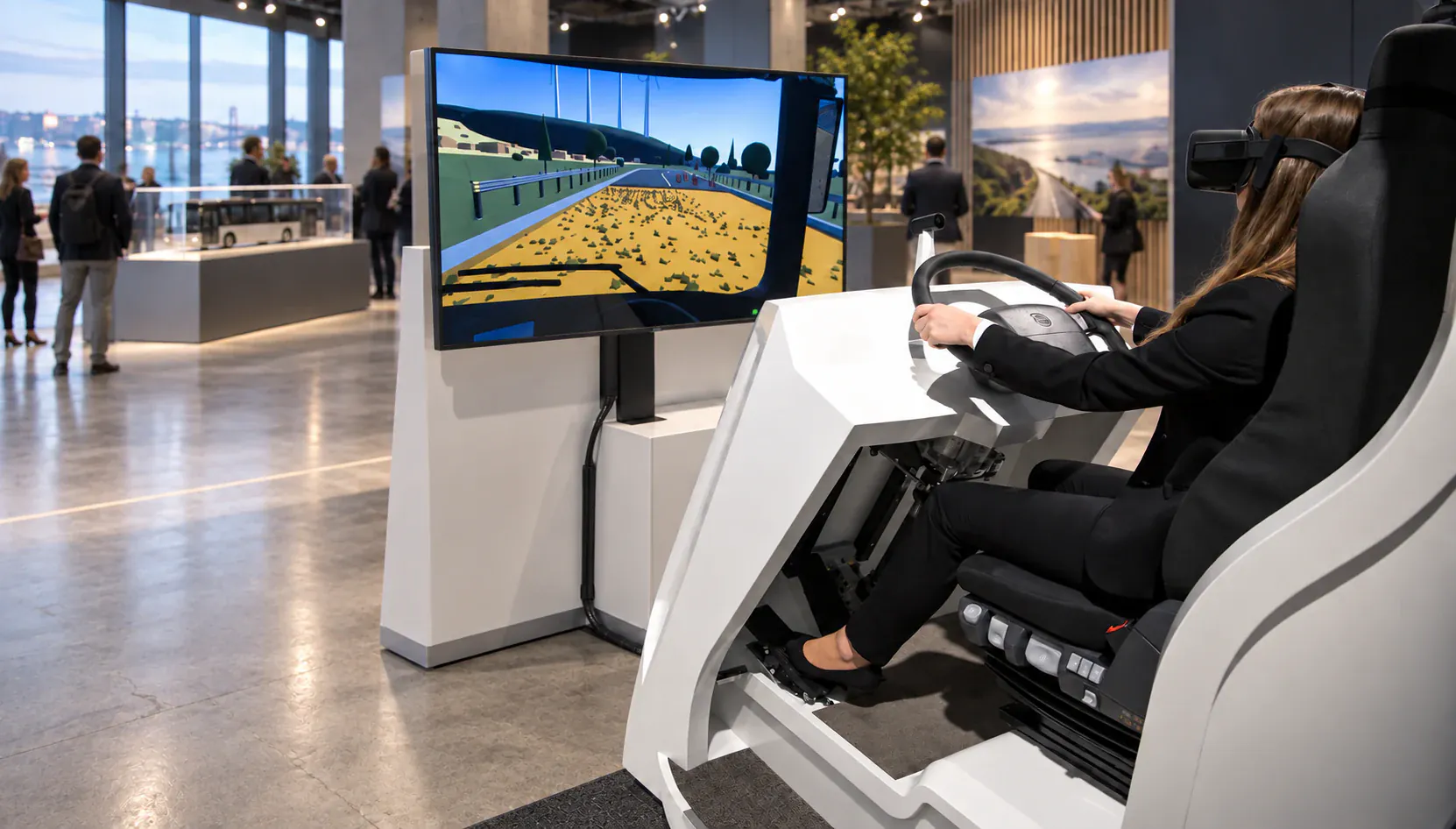
Volvo Dynamic Steering makes a bus easier to steer and easier on the driver’s body. It is also impossible to demonstrate at a trade show without a bus.
We built a transportable cabin simulator: the real steering hardware, a virtual road, and a driver’s seat that fits inside an exhibition hall.
Interactive VR experience · 360° film · physical and virtual alignment
Volvo Cars developed the 360C to make a near-future idea tangible: a fully autonomous electric vehicle that could become a place to travel, work, meet or sleep.
Working with Volvo Design and 3D animation studio Brickland, we built an interactive driving experience and a 360-degree VR film. Visitors stepped into full-scale physical models aligned precisely with virtual scenarios, so the vehicle’s proposed services could be experienced from the inside rather than explained on a screen.
The difficult part was keeping the physical and virtual worlds in register. Seats, sightlines and movement had to agree closely enough for the illusion to hold while the story moved between journeys that did not yet exist.
This is where virtual reality earns its place: taking people somewhere that cannot yet be visited, at real scale, and allowing an unfamiliar proposition to be judged by experience rather than description.
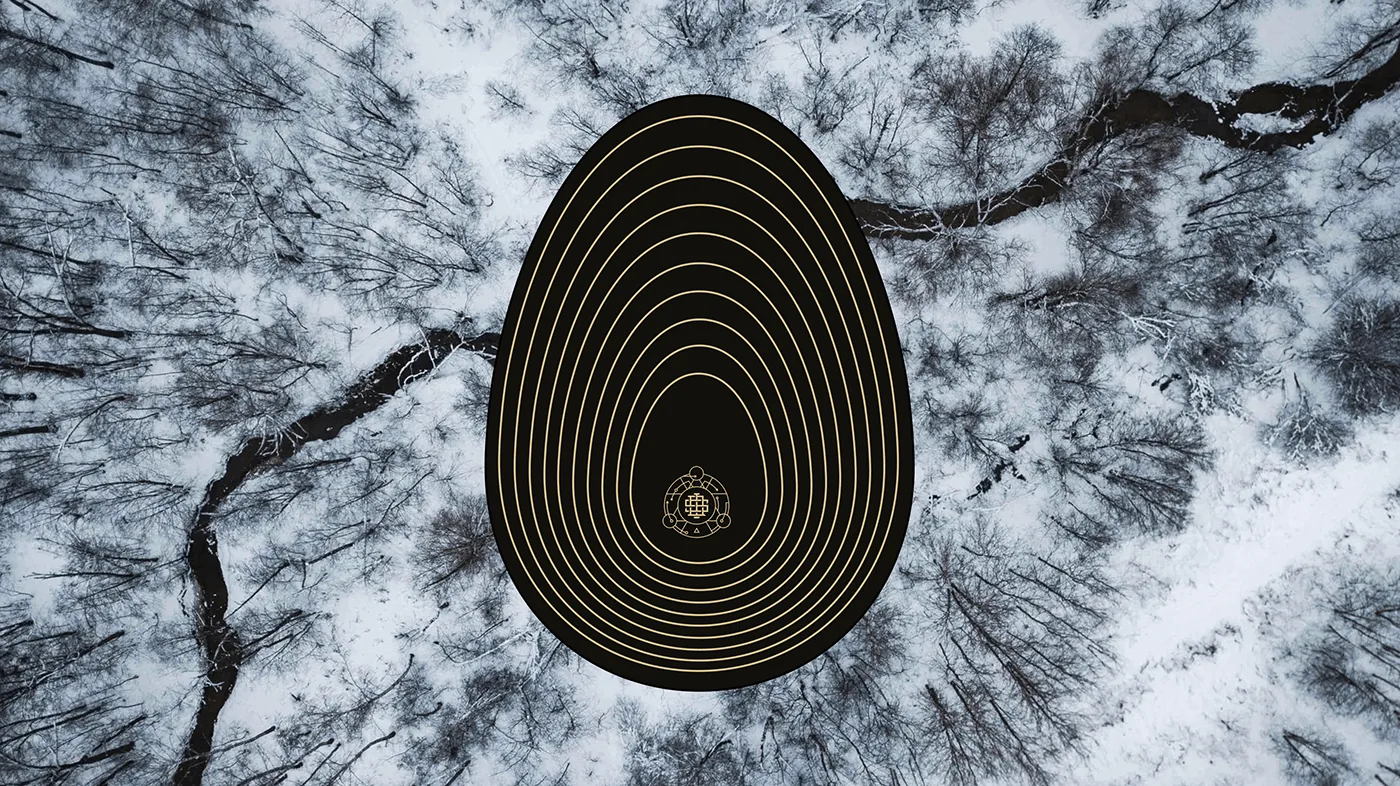
A band with a handful of rough demos and an intriguing name asked us for a logo and an album cover.
We gave them an egg. Twelve, actually: the oldest symbol of rebirth there is, each one redrawn in its own sacred geometry and turned Glitch Black, then built to turn up where nobody expected it: in games, public squares, billboards and the media, as promo for a band that hadn’t arrived yet. Behind it sat a full mythology, an animated series, a VR music video and a 3D character pipeline.
Connected product concept · mobile interaction · prototype
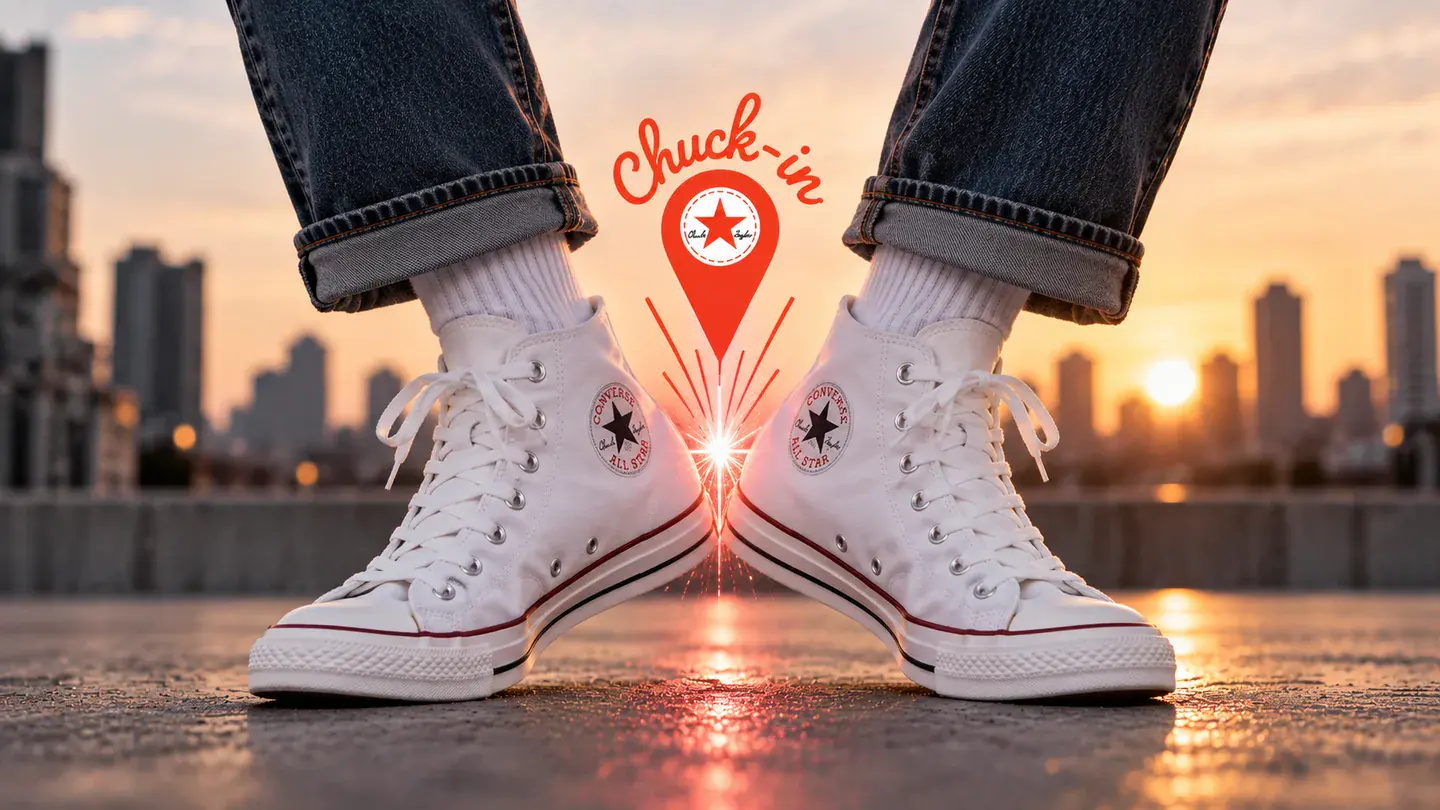
Converse challenged us to take their iconic Chuck Taylor boots and add a tech twist.
We created the ‘Chuck-in’. A way for sneaker heads to tap their heels three times to check in digitally and tell the world where they’re at.
The technology was embedded into the shoes, but the idea deliberately didn’t feel technological. No phone to unlock. No app to open. No screen to stare at. Just a gesture everybody already understands.
Part wearable technology, part Wizard of Oz, Chuck-In explored what happens when connected objects stop asking us to behave like computers and start behaving a little more like us.
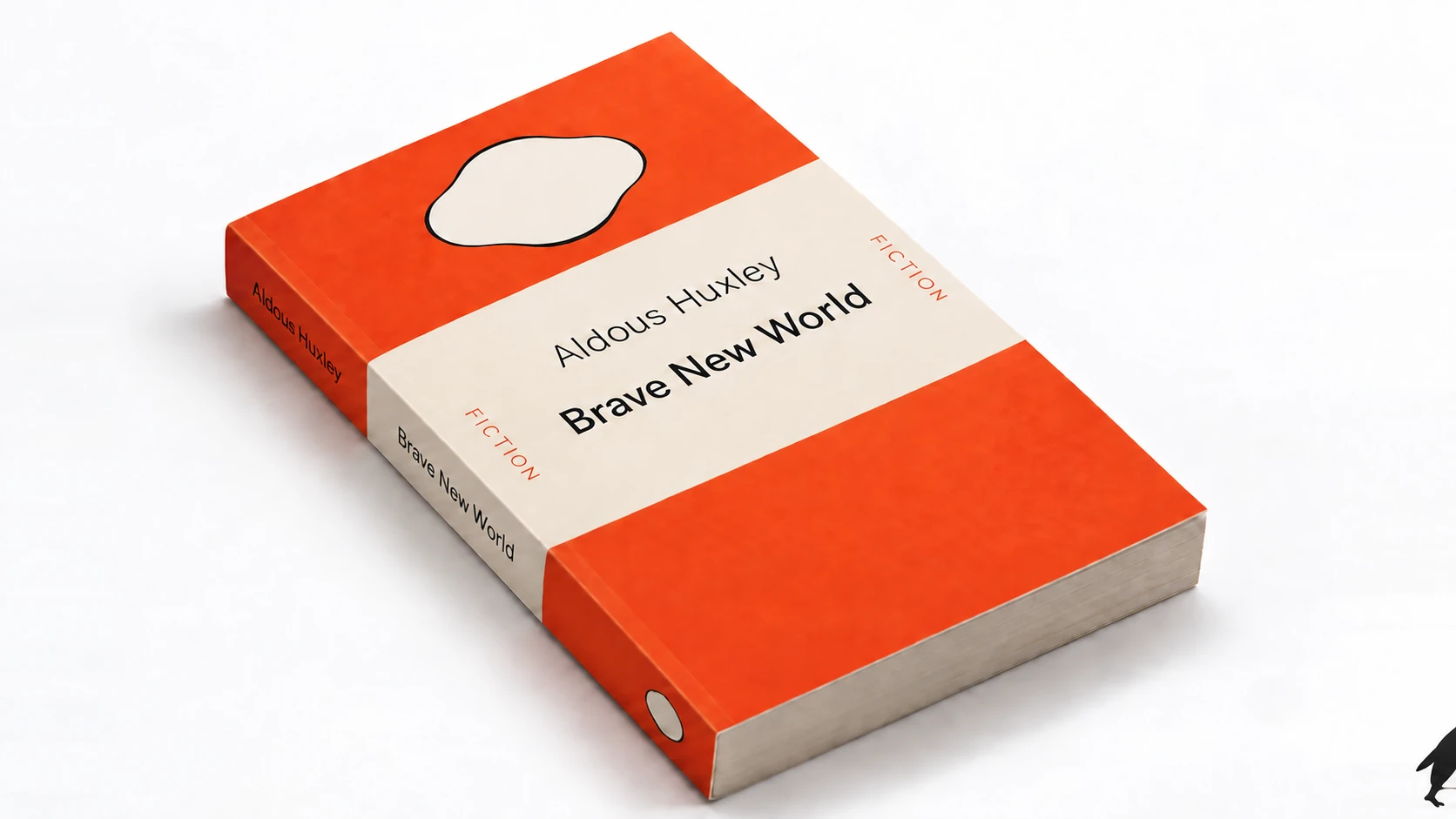
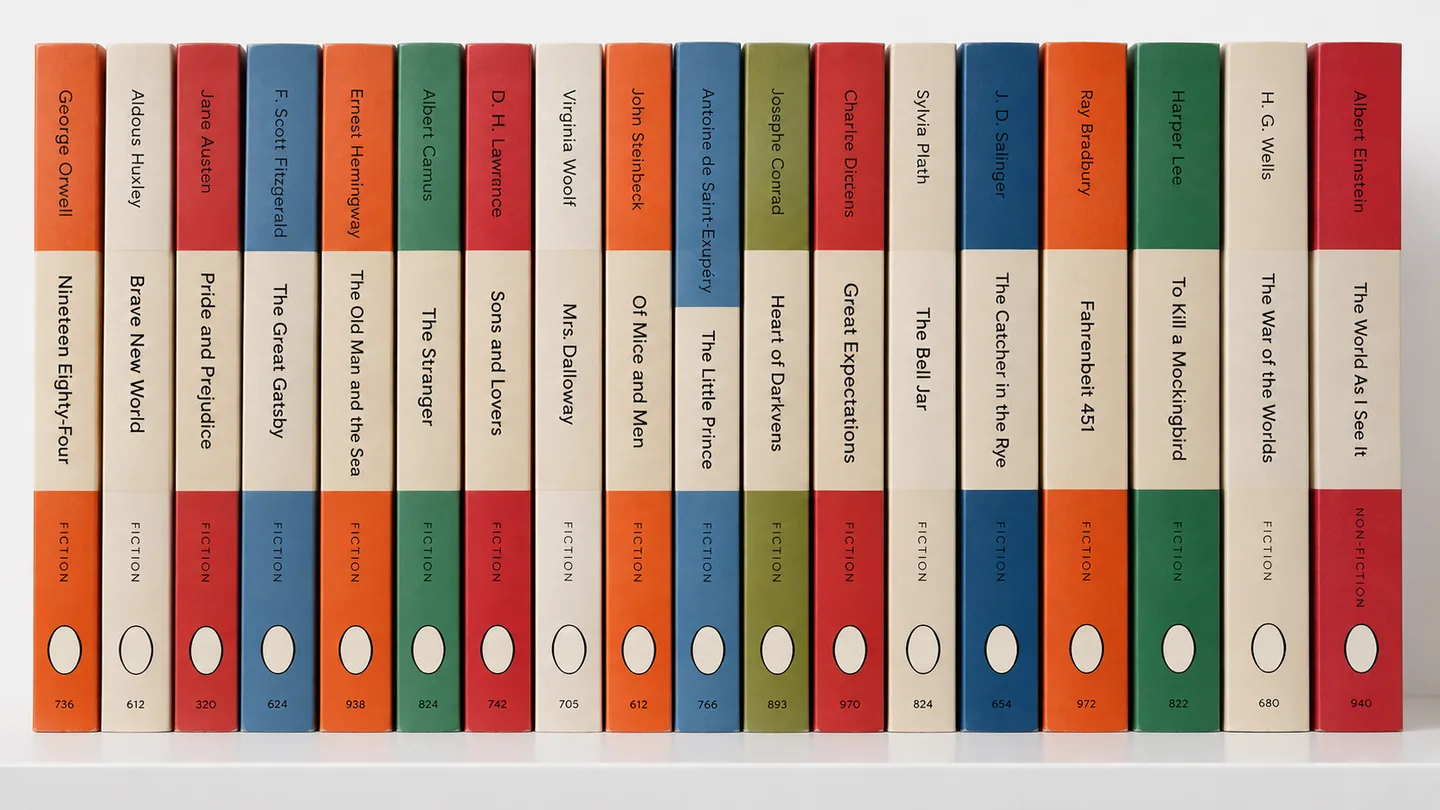
The Penguin is one of the most recognisable marks in publishing. So we made it disappear.
To highlight the threat facing emperor penguins as their Antarctic habitat changes, we imagined a simple intervention with Penguin Books: remove the iconic bird from the books themselves.
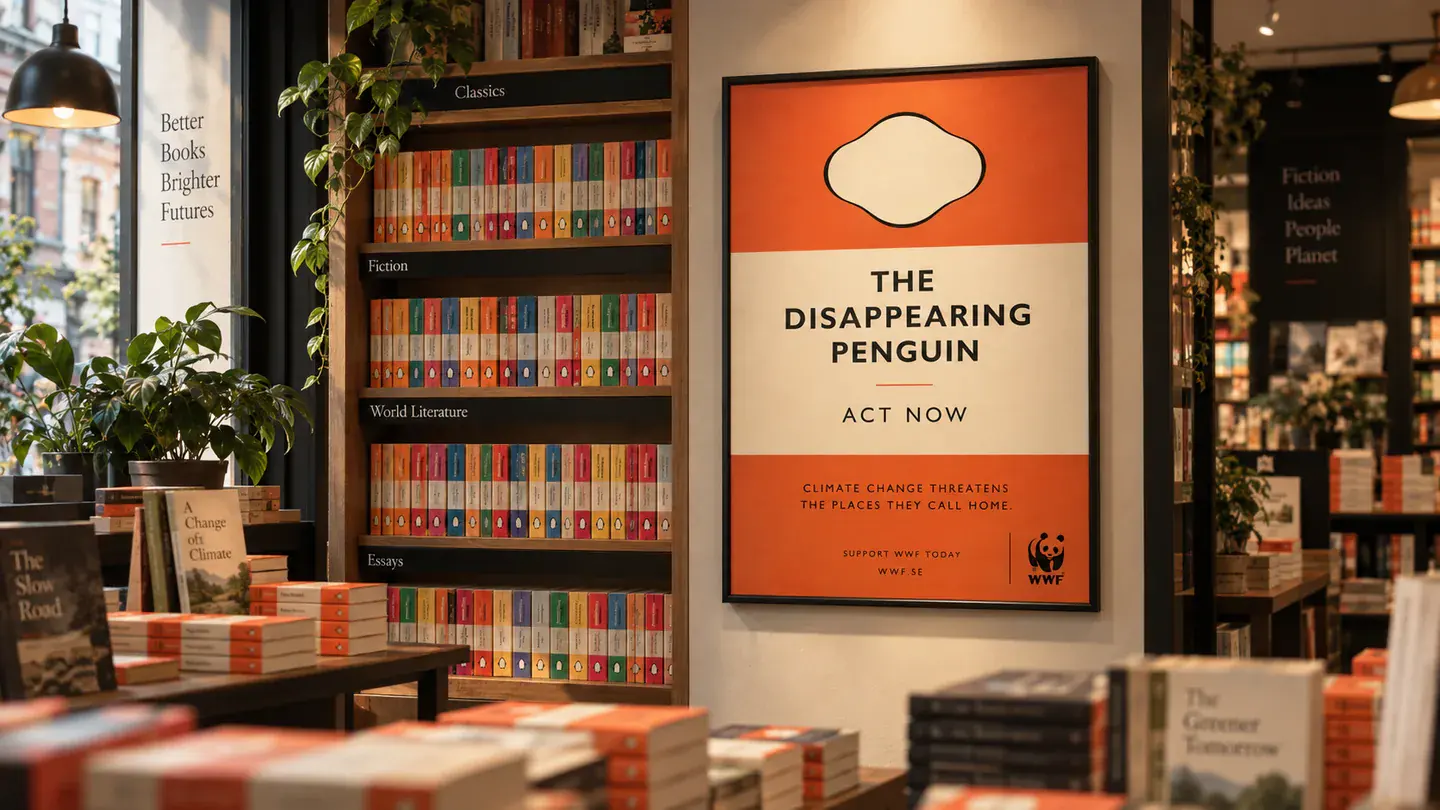
One missing Penguin becomes curious. A whole shelf of them becomes impossible to ignore. In bookstores, the mystery is finally explained through posters designed in Penguin’s unmistakable visual language — turning the absence of a tiny logo into a warning about something much bigger.
No melting ice caps. No photographs of endangered wildlife. Just an empty space where something familiar used to be.
Sometimes the most powerful way to show something disappearing is to make it disappear.
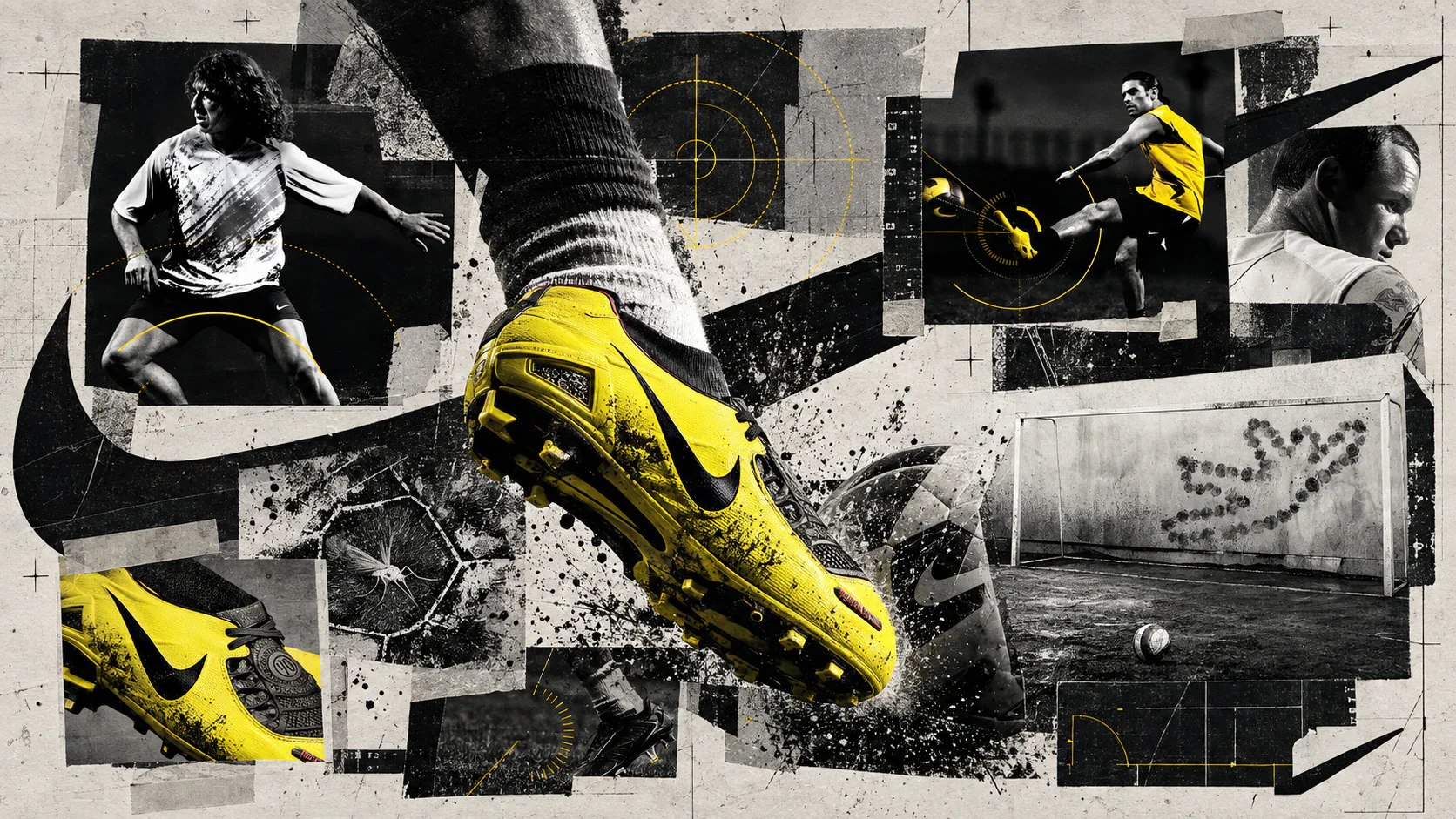
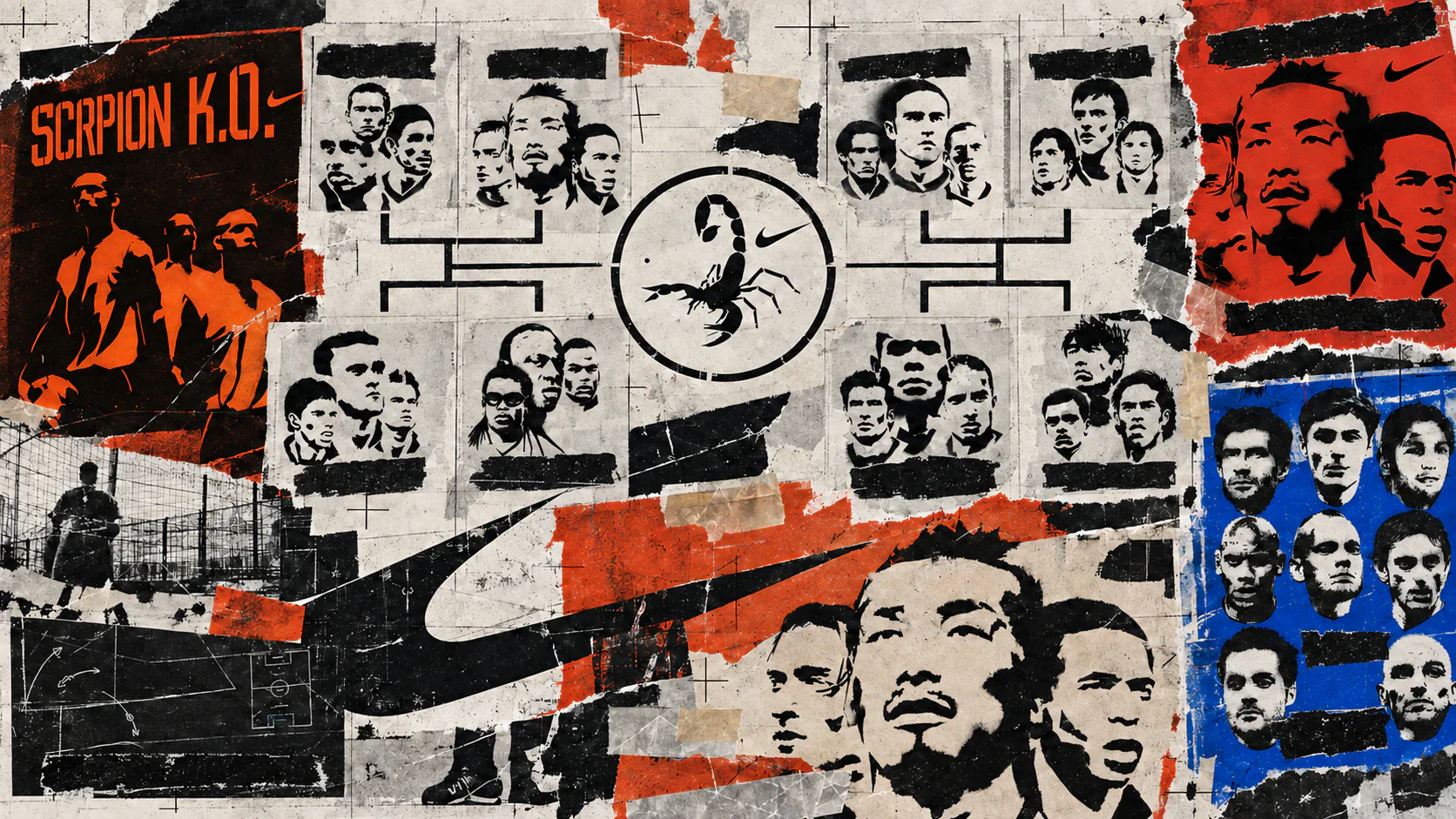
We worked with Nike Football across a number of campaigns, including Scorpion and Total 90 Laser.
For T90, the assignment was precision: make the perfect kick visible. We filmed it at 12,000 frames per second, slowing the instant of contact until boot, ball and impact became the image.
The wider work moved between product stories, player-led campaign material and street-level executions. Different campaigns, one recurring question: how do you turn the speed of football into something people can actually see?
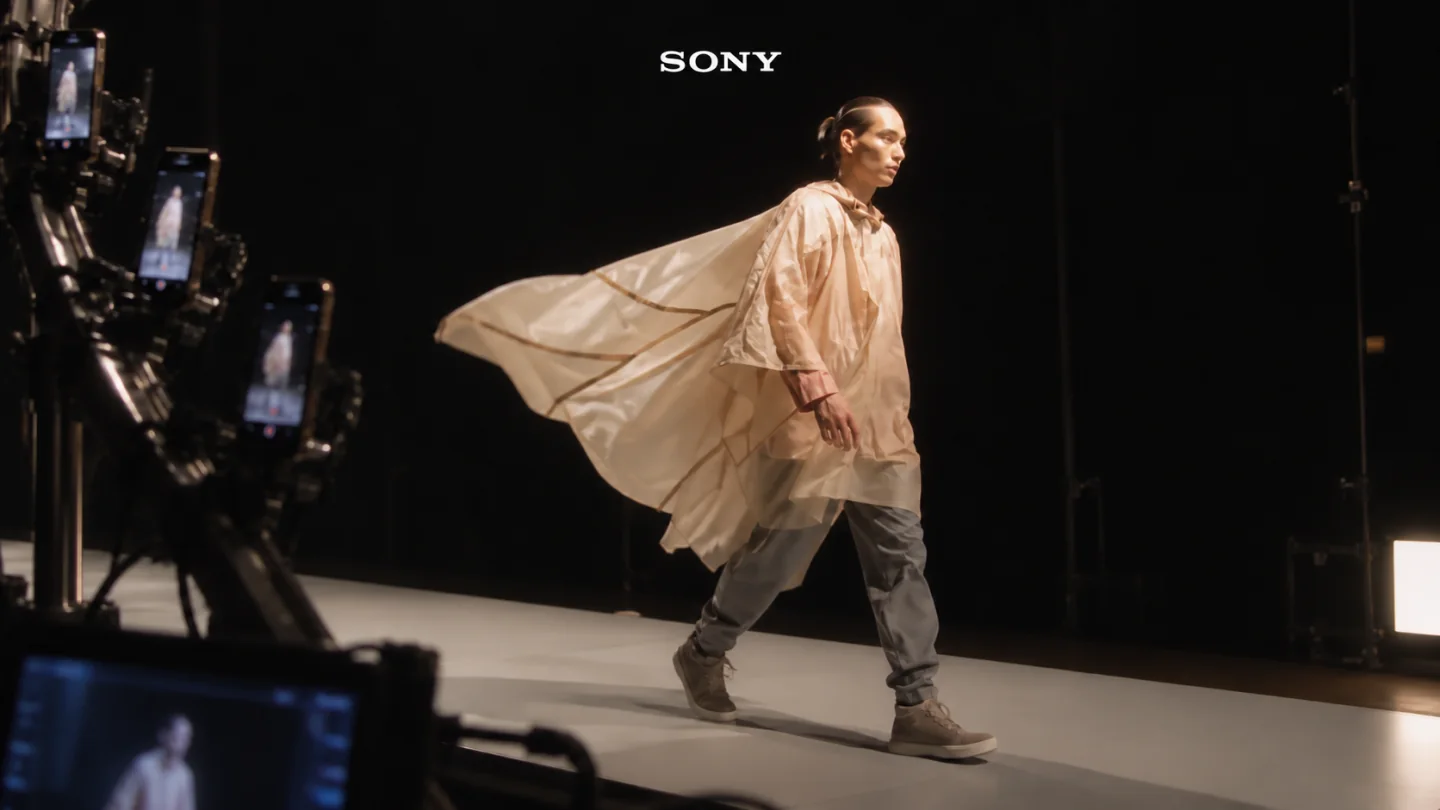
How do you demonstrate the new Cyber-shot camera embedded inside Sony’s latest smartphone? For the launch of the new Sony mobile, we brought technology and fashion together in a collaboration with designer Christopher Raeburn. We mounted 100 smartphones on a bespoke spiral rig that snaked around a fashion catwalk. Custom software, bespoke apps and a wireless control system allowed every phone to fire together, capturing Raeburn’s collection from every angle as the clothes exploded off the model. The resulting images were stitched into a spectacular 360-degree bullet-time fashion film — with the very phones we were advertising becoming the cameras used to create it.
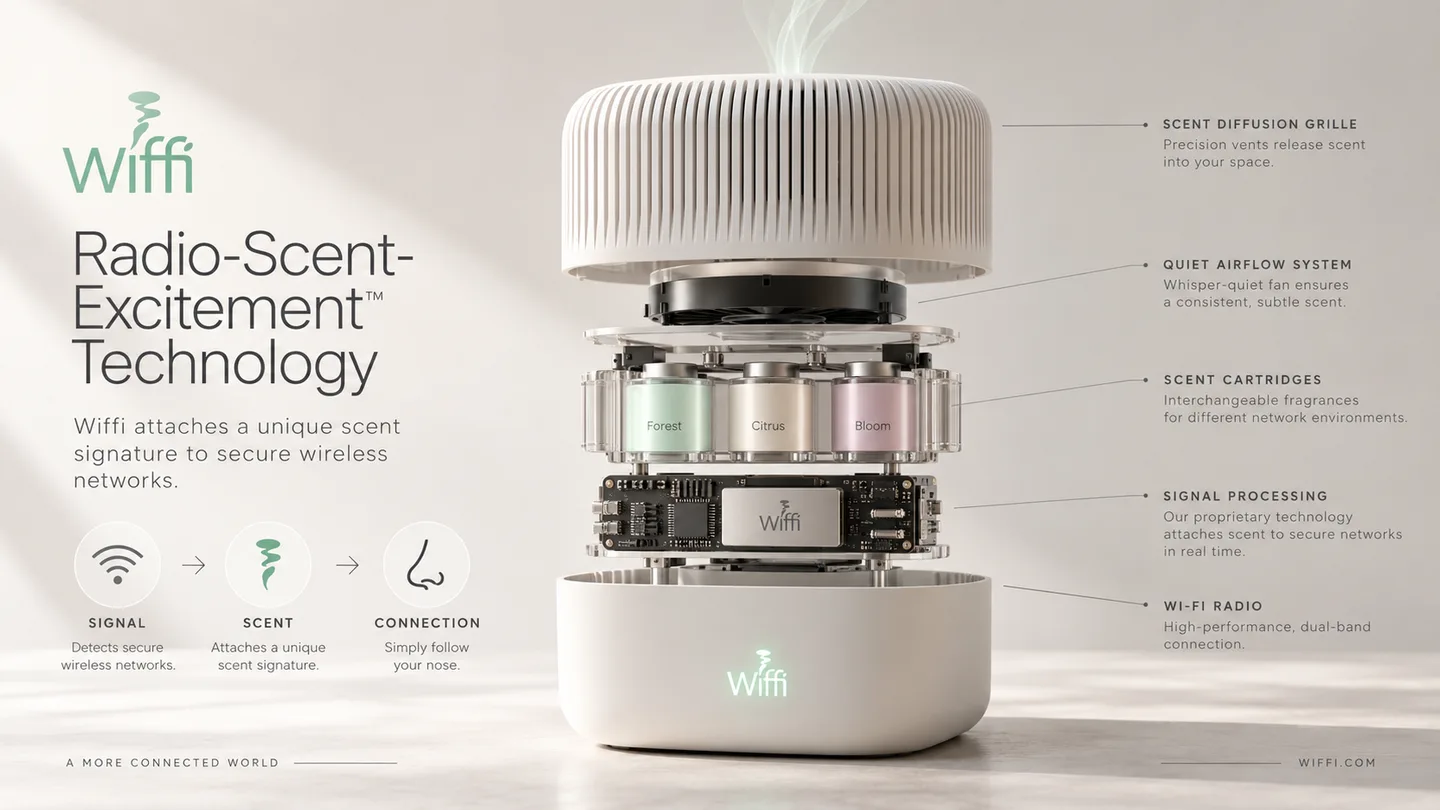
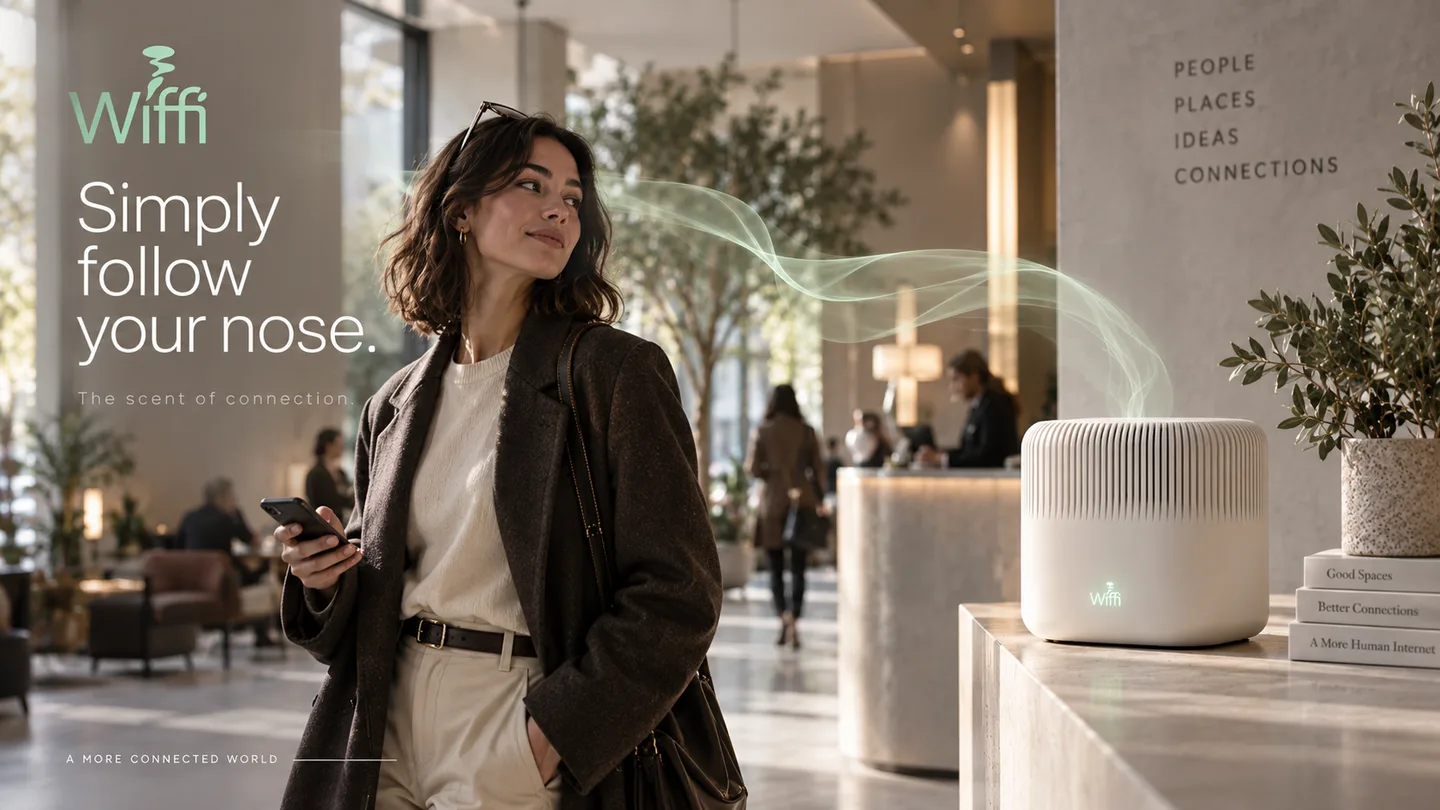
Wiffi is the world’s first scent-enabled wireless router, using entirely convincing Radio-Scent-Excitement™ Technology to attach a distinctive fragrance to secure WiFi networks. Instead of searching through menus, passwords and endless lists of vaguely named hotspots, you simply follow your nose.
Part router, part fragrance diffuser, Wiffi turns connectivity into something physical. A network you don’t just join, but sense — quietly filling hotels, cafés, offices and public spaces with the unmistakable scent of connection.
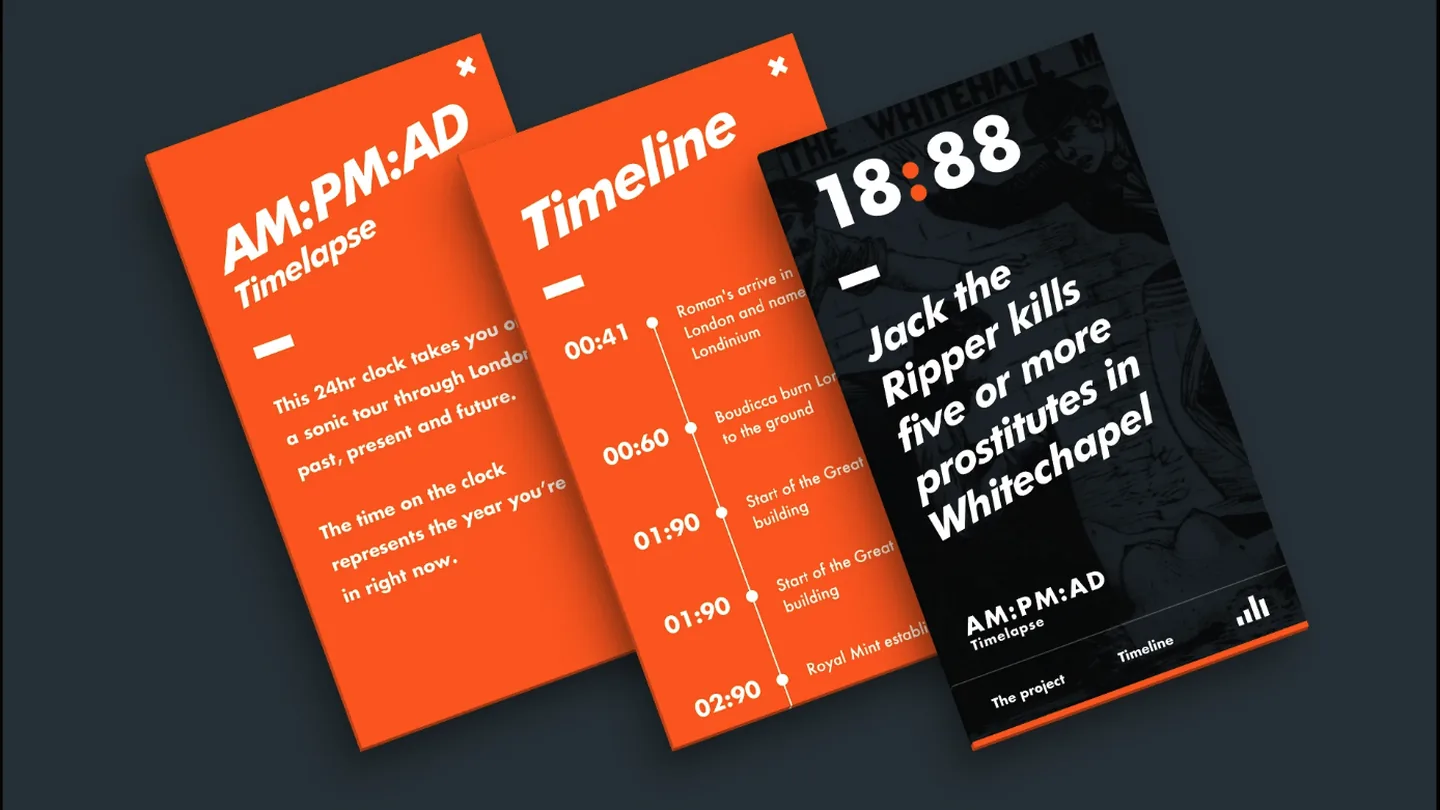
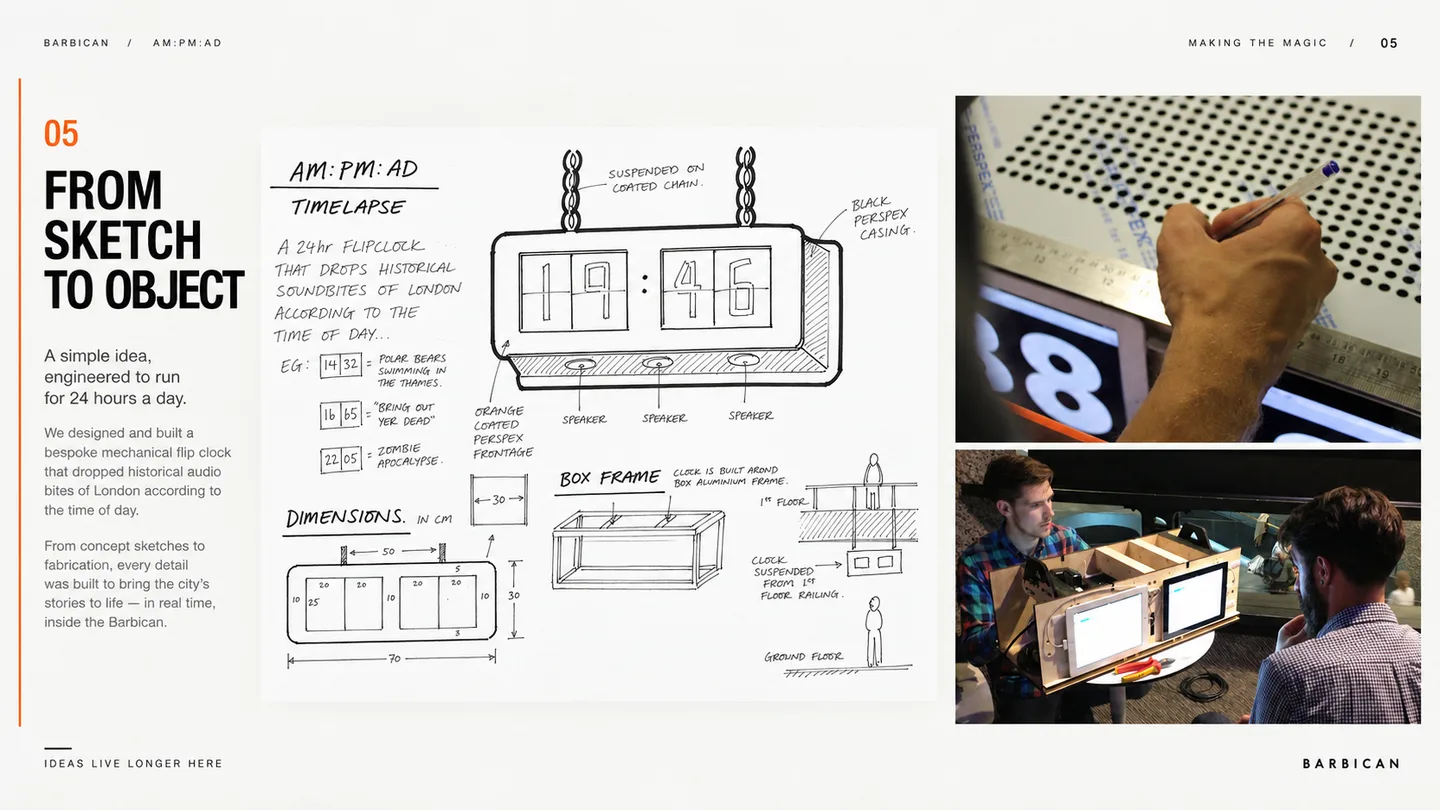
A clock usually tells you what time it is. We made one that tells you when you are.
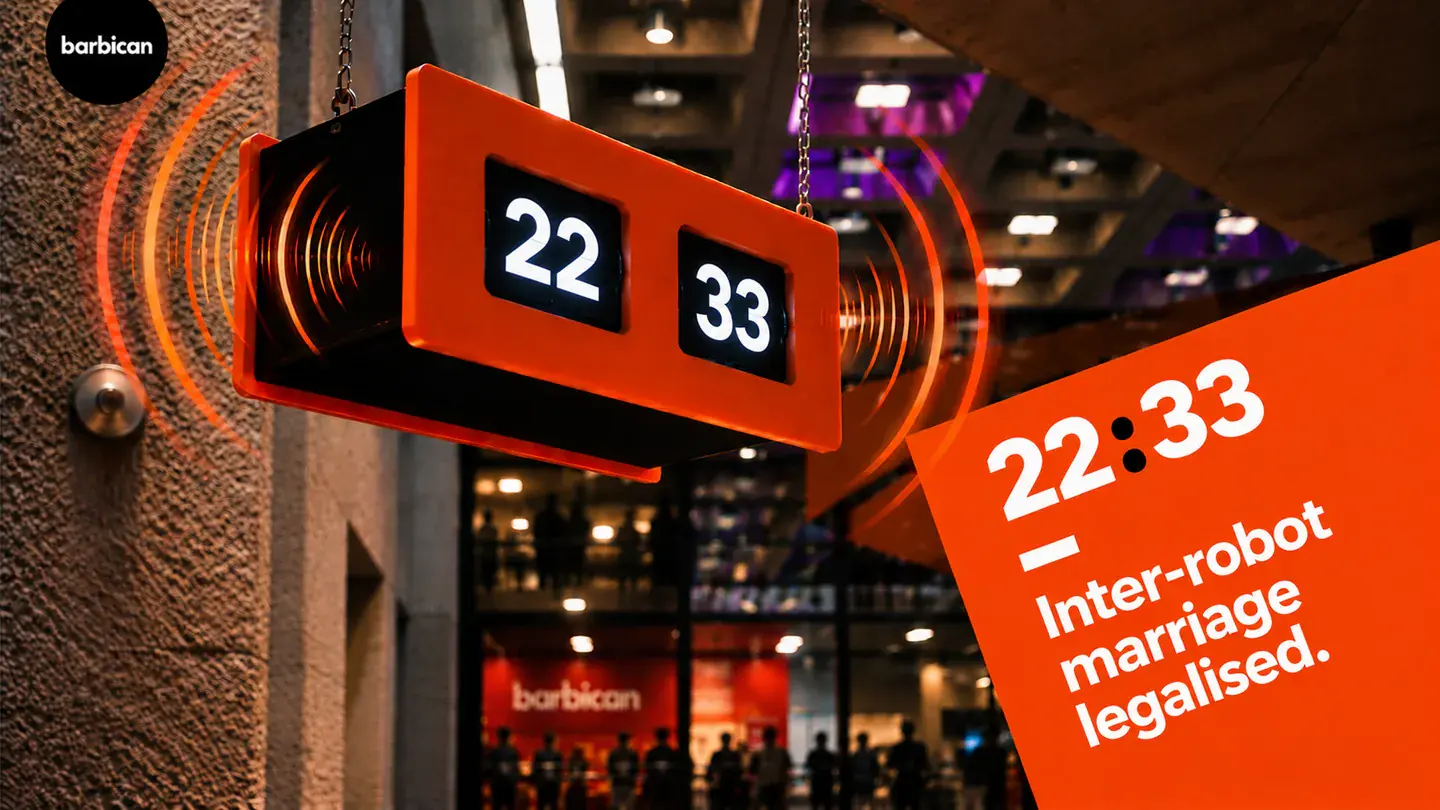
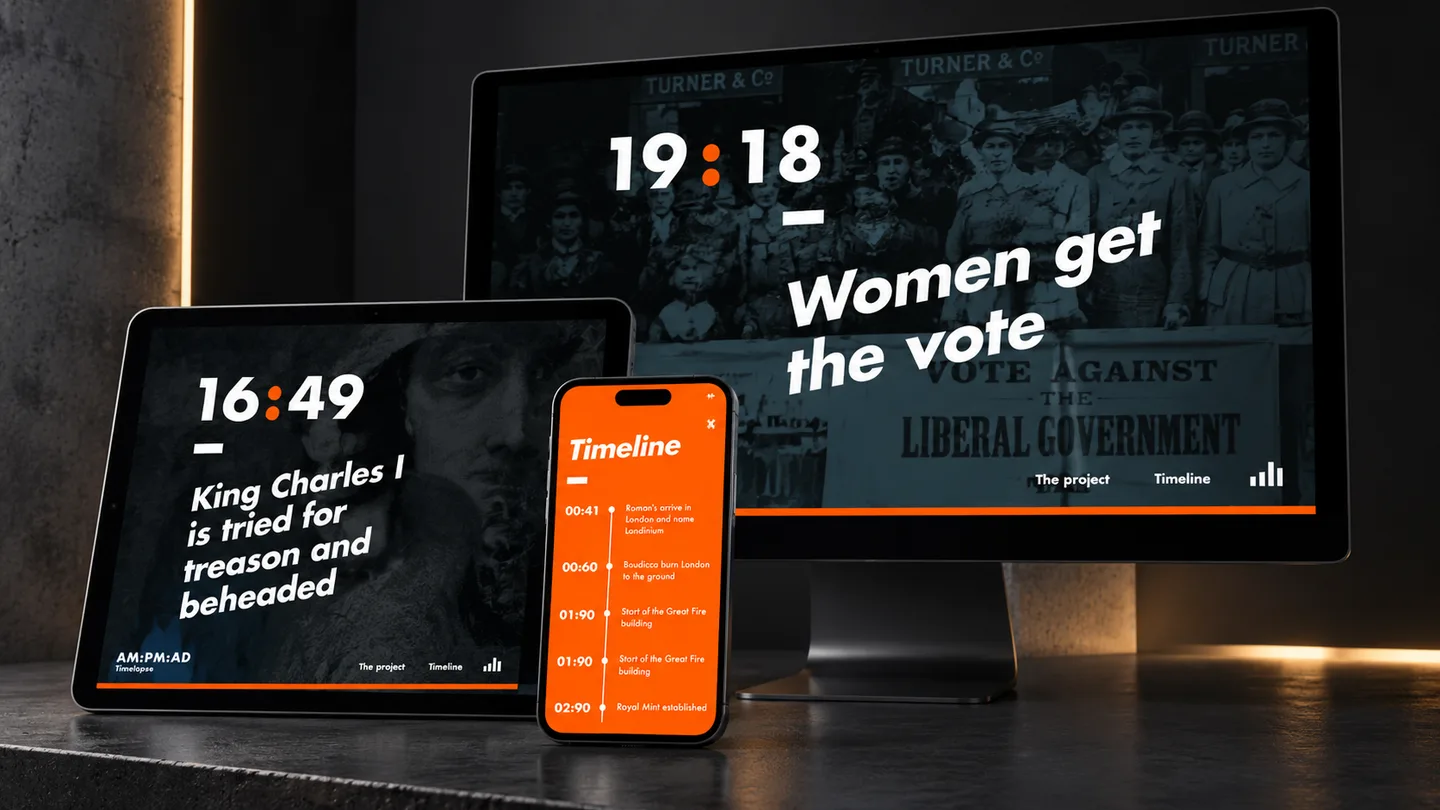
AM:PM:AD turns 24 hours into 2,400 years of London history. At 19:18, women get the vote. At 16:49, Charles I is tried for treason. At 00:41, the Romans establish Londinium. And because history eventually runs out, the clock keeps going — into an imagined London where inter-robot marriage is legalised in 2233.
Installed inside the Barbican, the clock transforms each minute into a different moment in the city’s past, present or future. But it doesn’t just display history — it plays it. Every time triggers a corresponding piece of audio, turning the passing day into a constantly changing sonic journey through London.
The physical installation borrowed directly from the Barbican’s own visual language, while a companion digital experience let people explore the complete timeline across desktop, tablet and mobile.
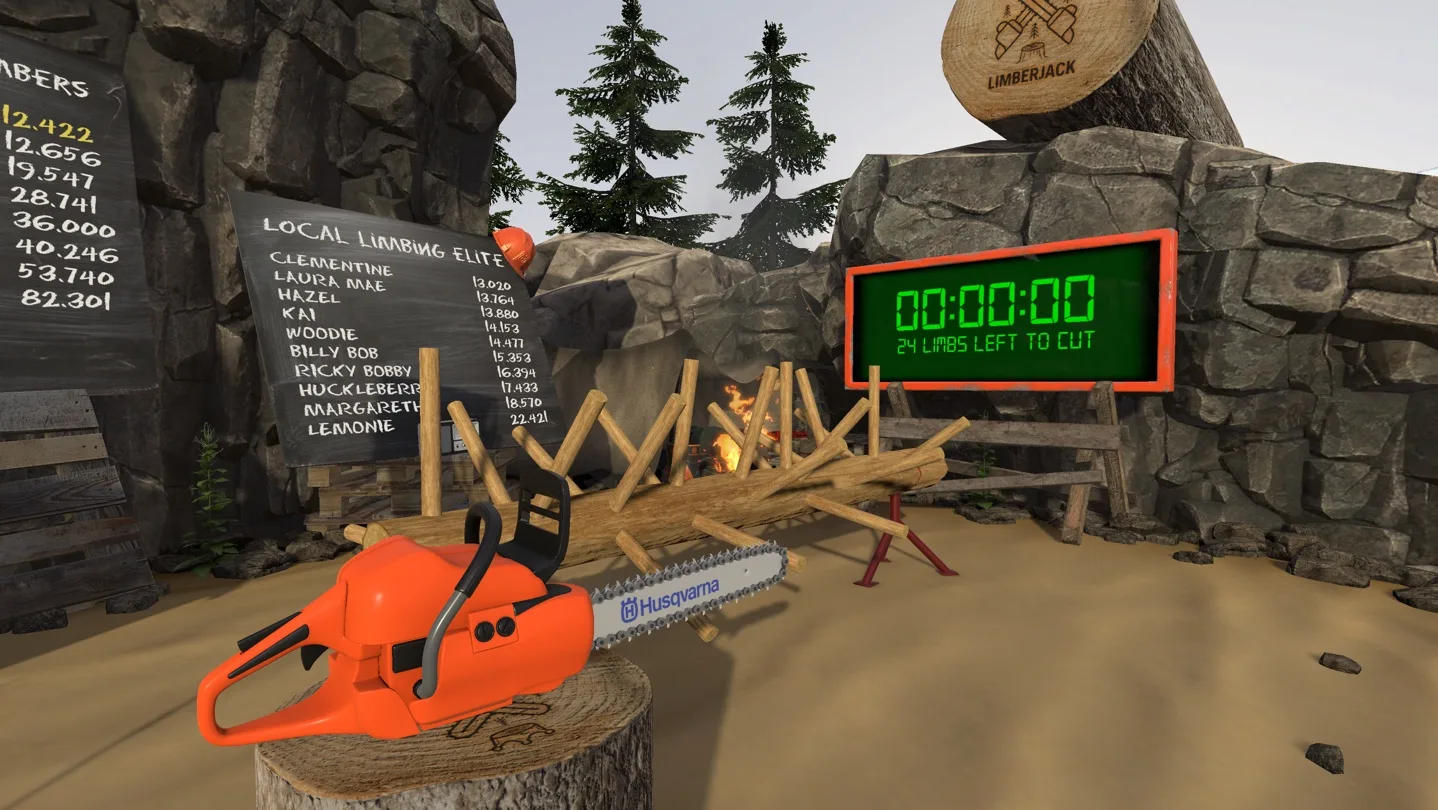
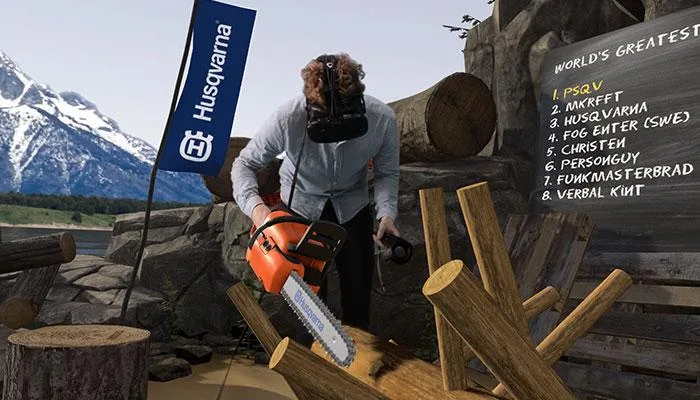
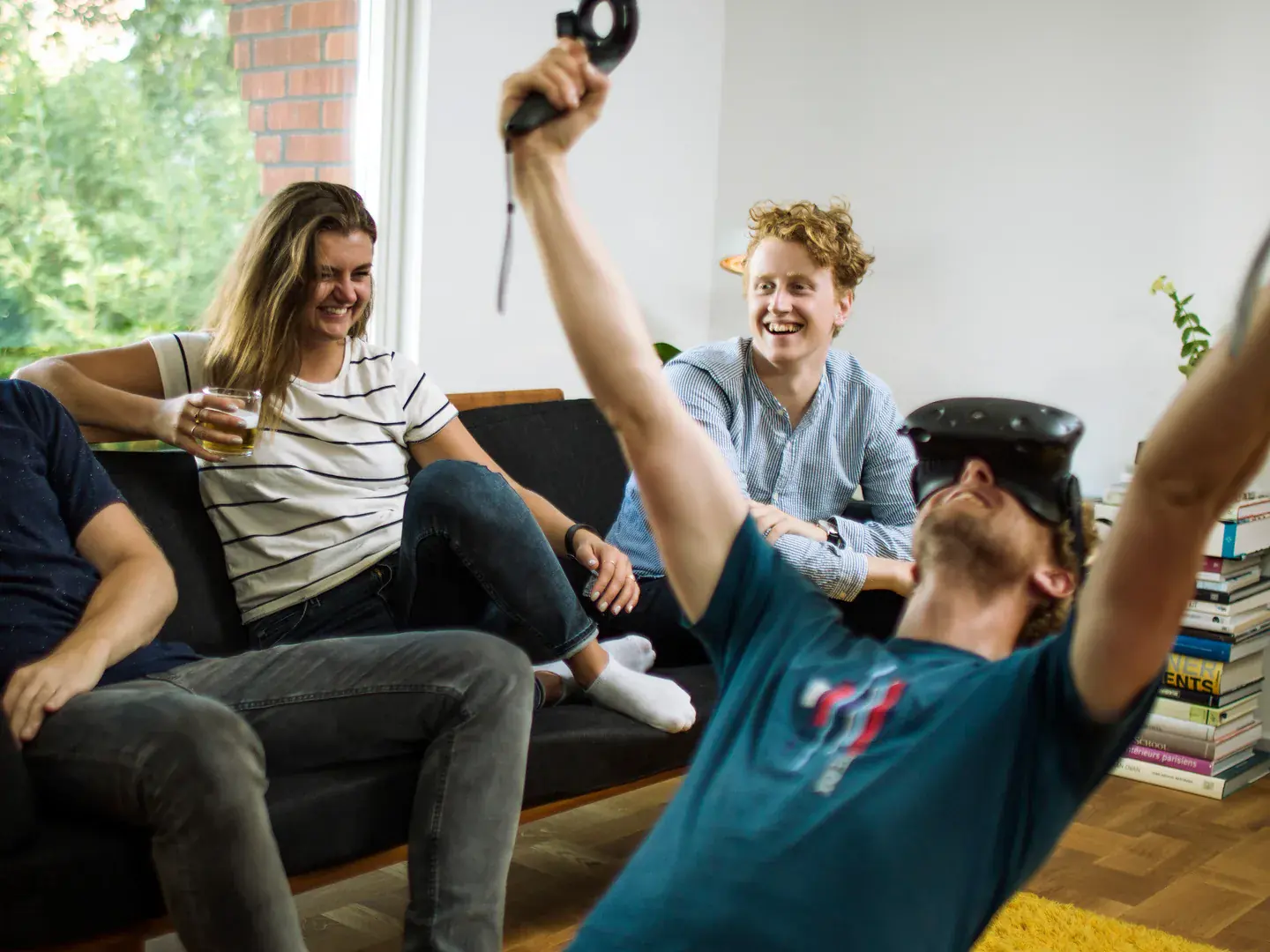
A chainsaw in your hands and a felled trunk at your feet. Limberjack is room-scale VR that teaches limbing the way loggers do it — against the clock, with a leaderboard for the time you post. Free on Steam since 2016.
Sales training · mobile game · learning through play
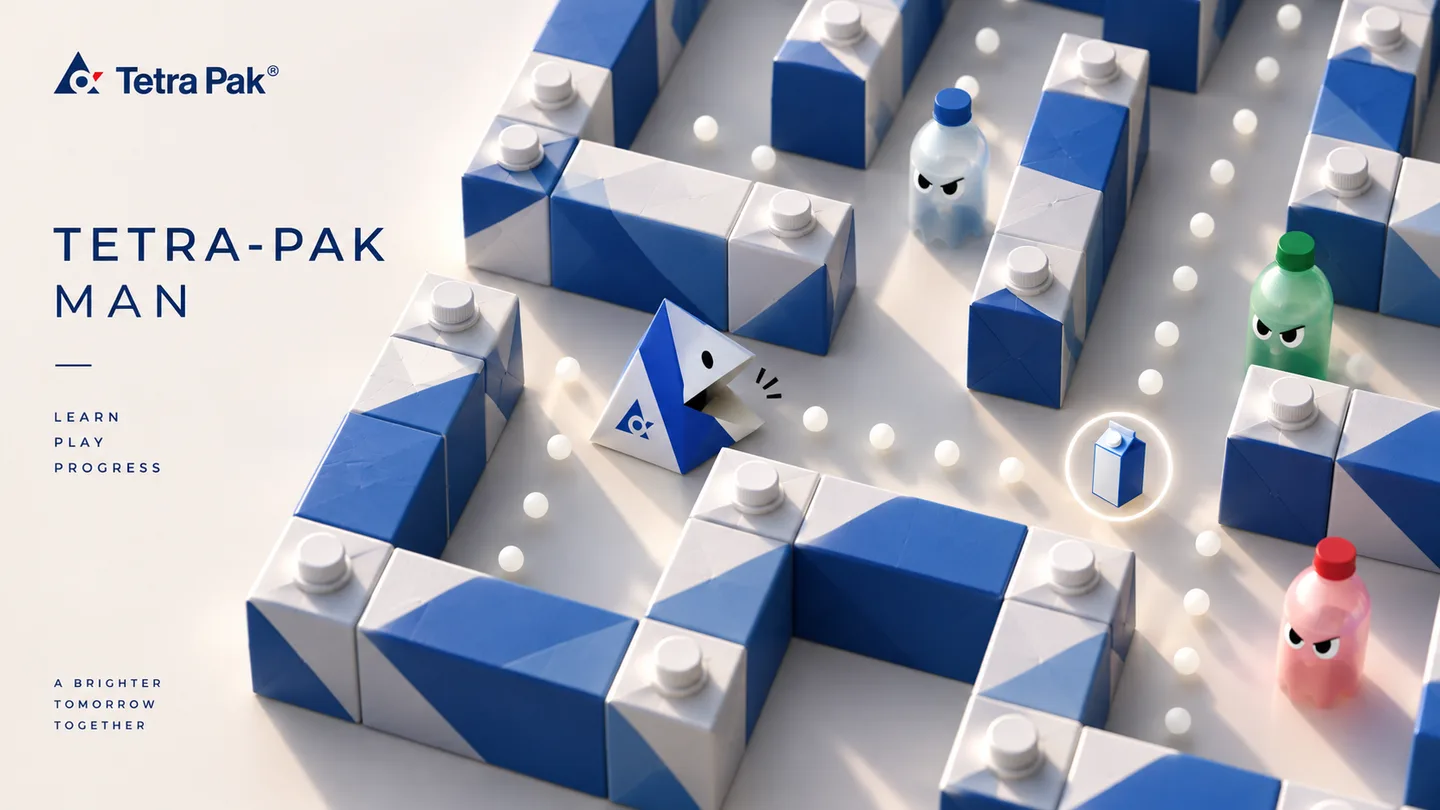
Tetra Pak needed to teach its global sales teams how to use a new set of sales tools. We thought there had to be a better way than another training presentation.
So we turned the training into a game.
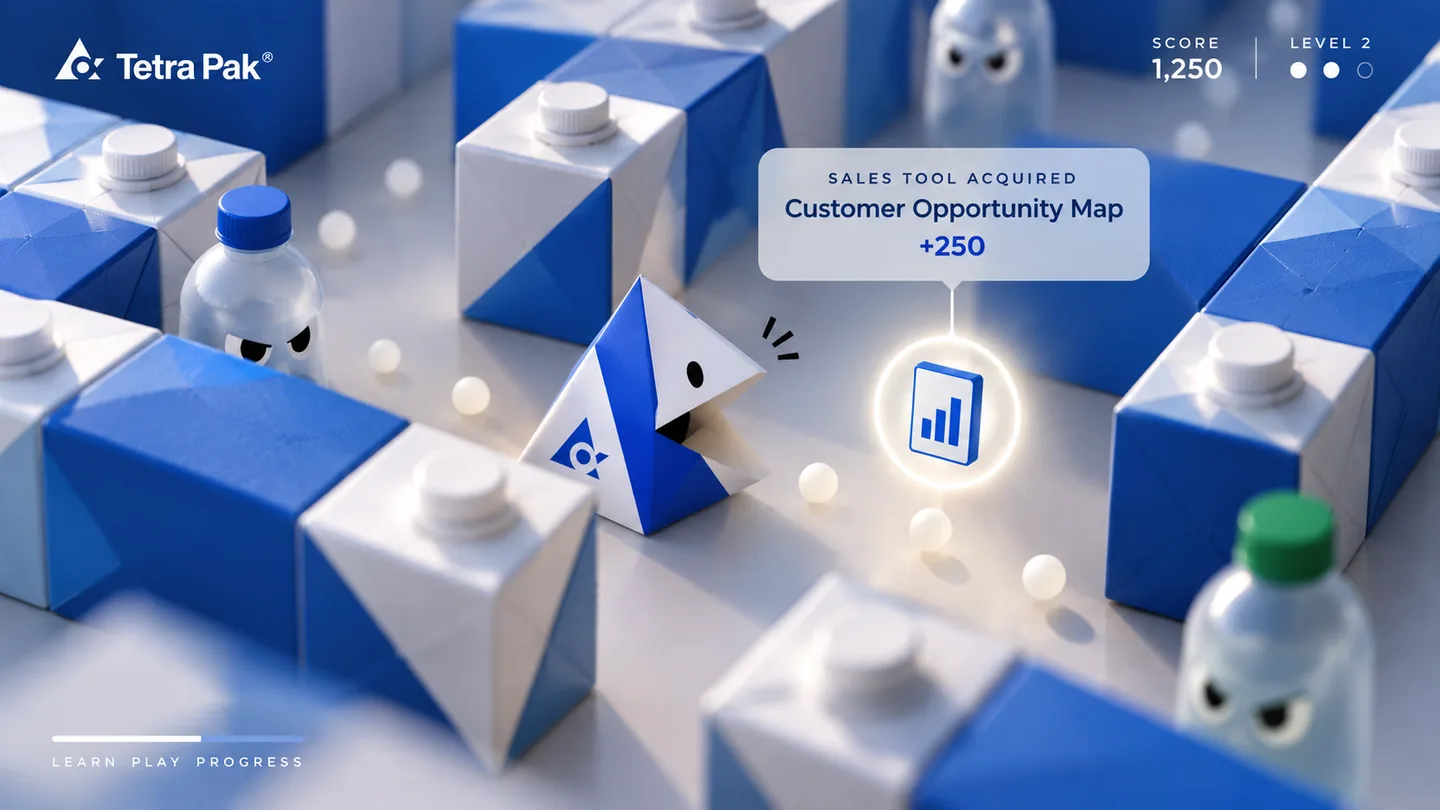
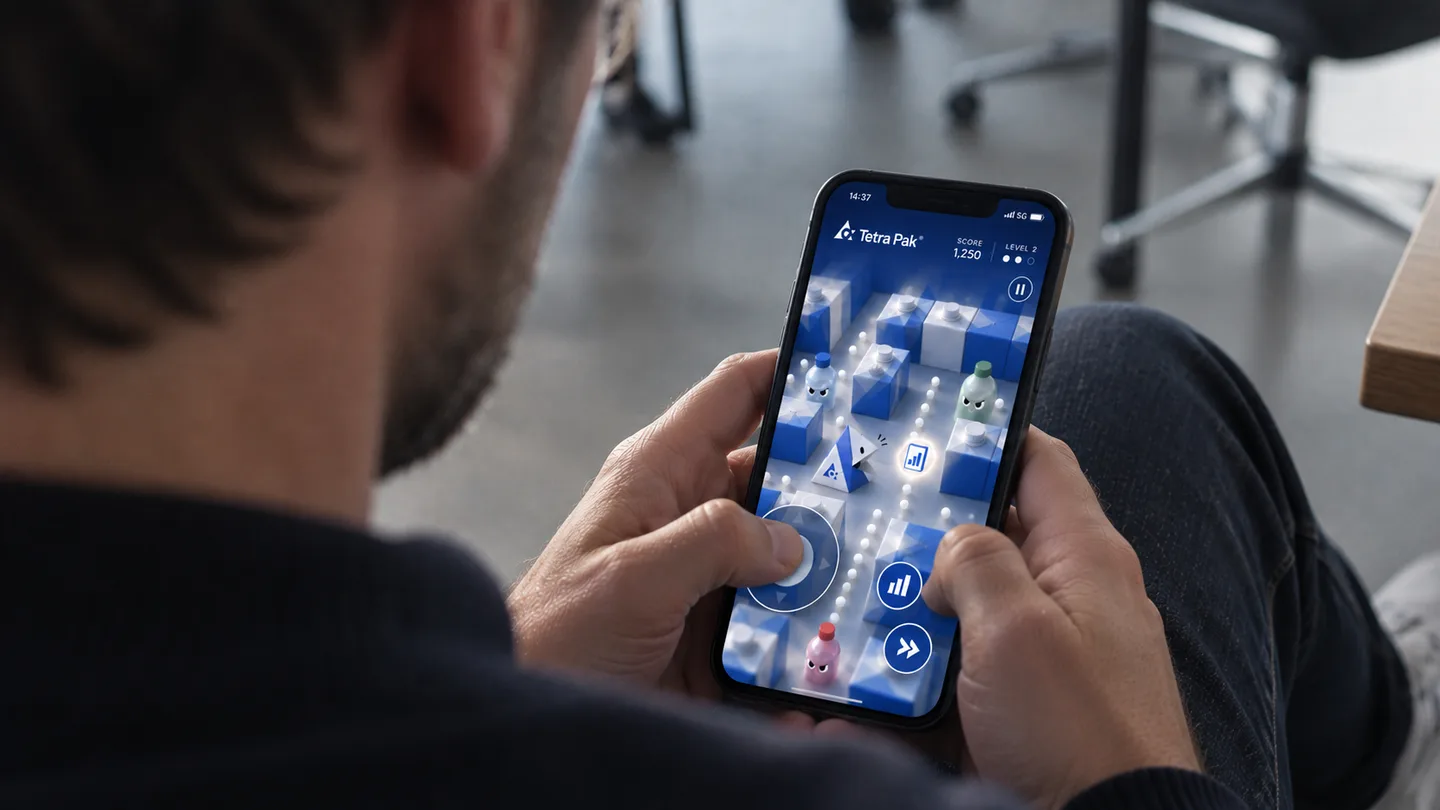
Tetra-Pak Man reimagined the familiar mechanics of Pac-Man around Tetra Pak’s sales process. Players navigate a maze, encounter challenges and collect the very tools they’re supposed to be learning about — turning product knowledge into something discovered through play rather than explained on a slide.
The concept was developed as a mobile gaming experience, transforming an internal training requirement into something people might actually want to use.
Product strategy · interaction design · real-time 3D · web and VR prototyping
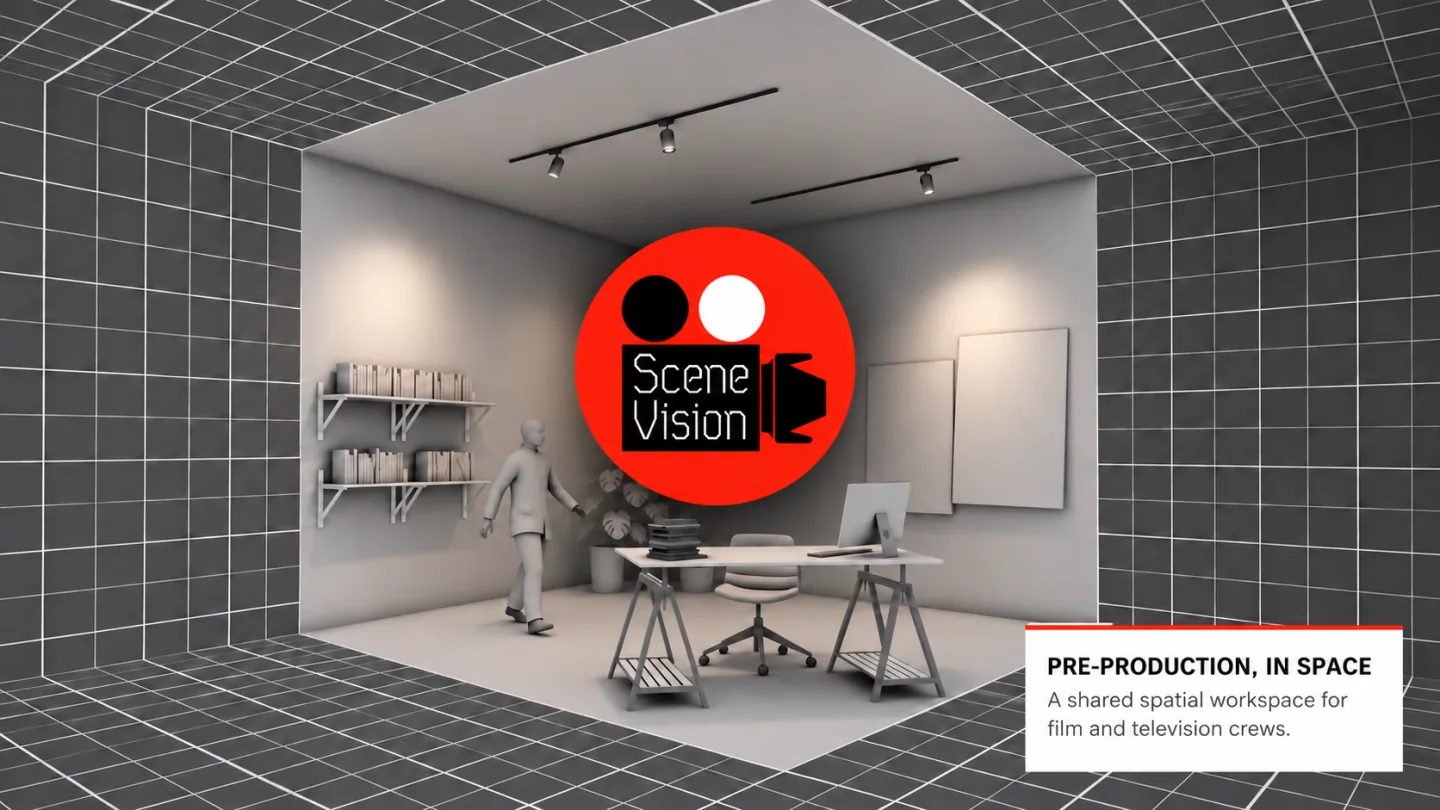
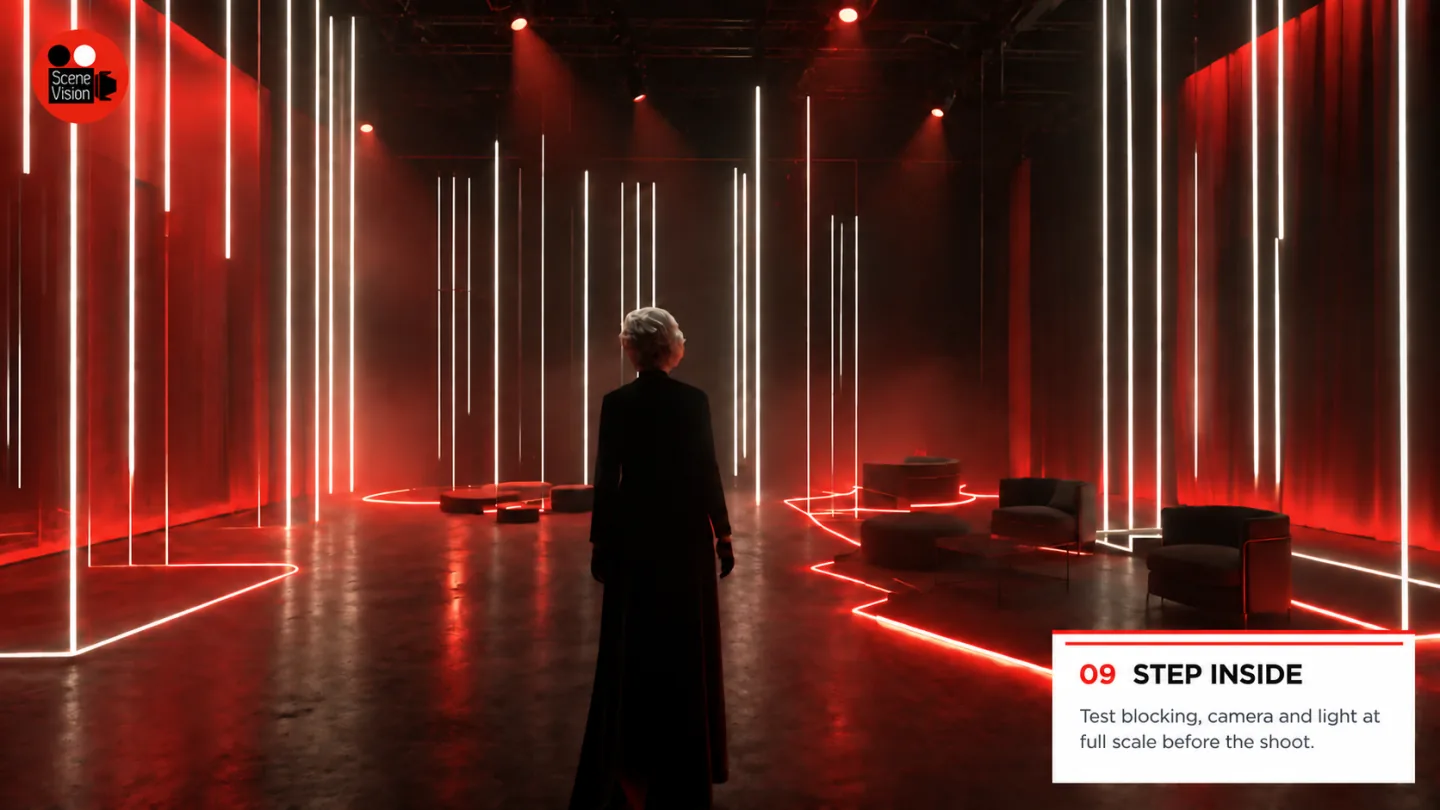
Walk the set before anyone builds it.
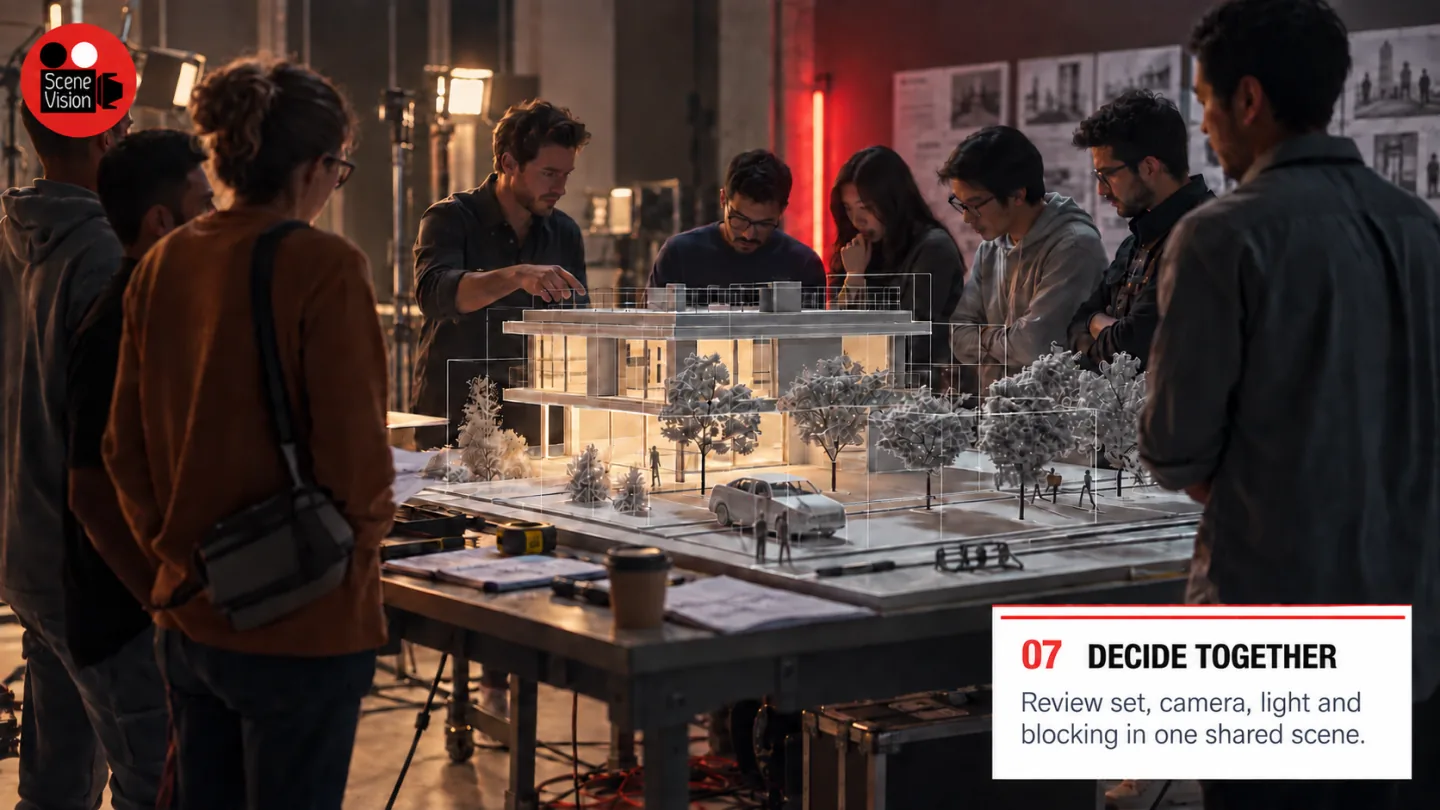
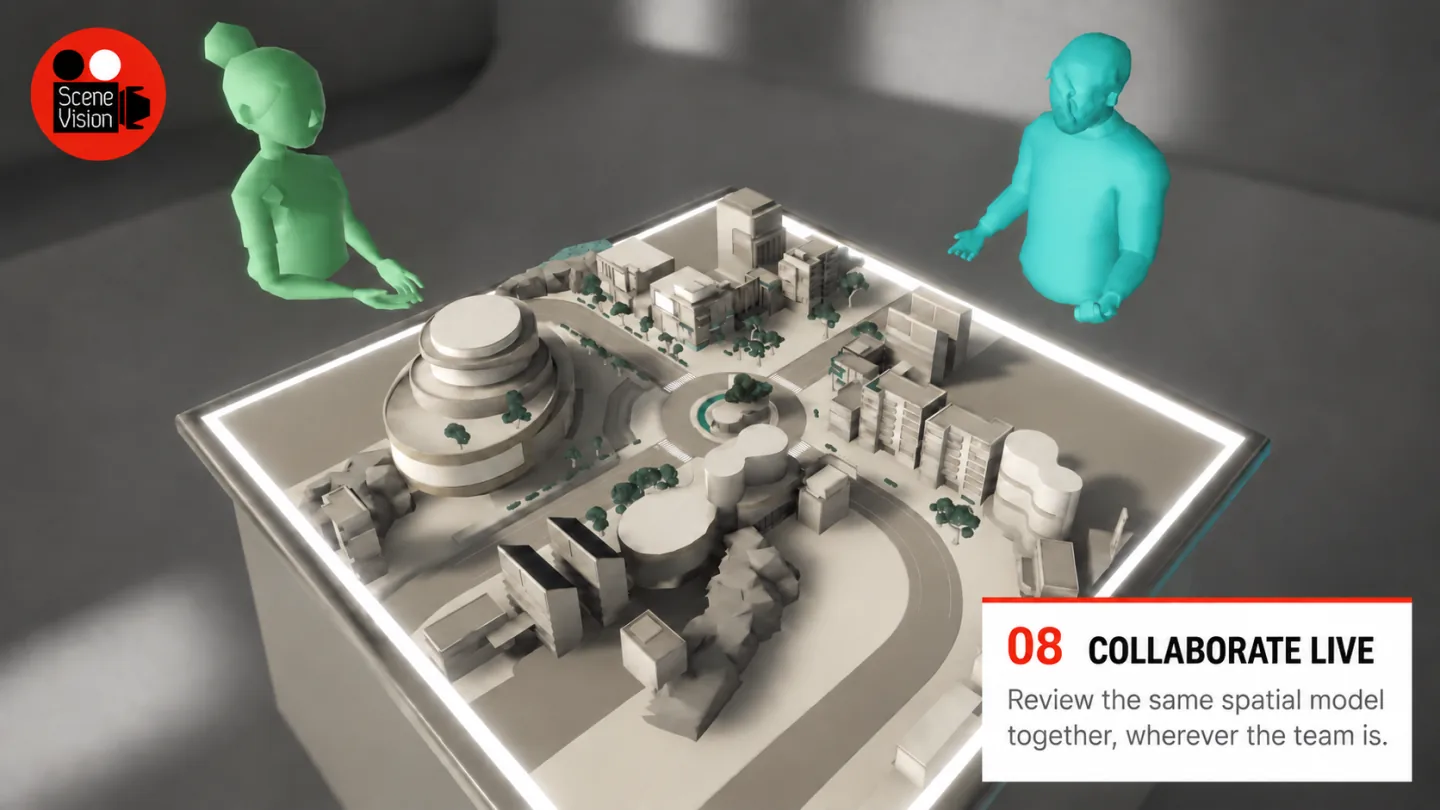
Film and television crews make hundreds of decisions before the camera rolls — where the walls sit, how the light falls, where performers move and where the camera travels. Scene Vision brings those decisions into one shared spatial workspace.
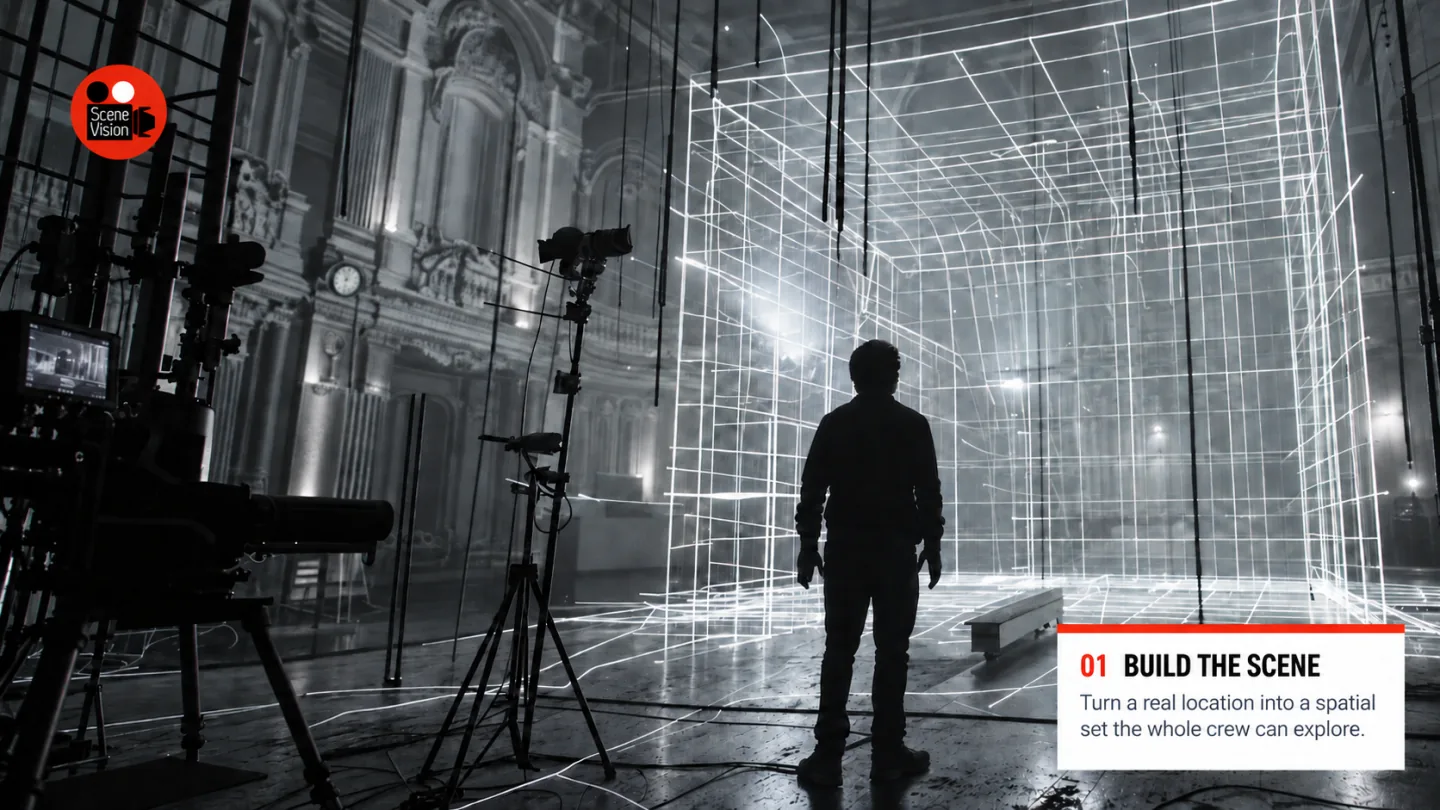
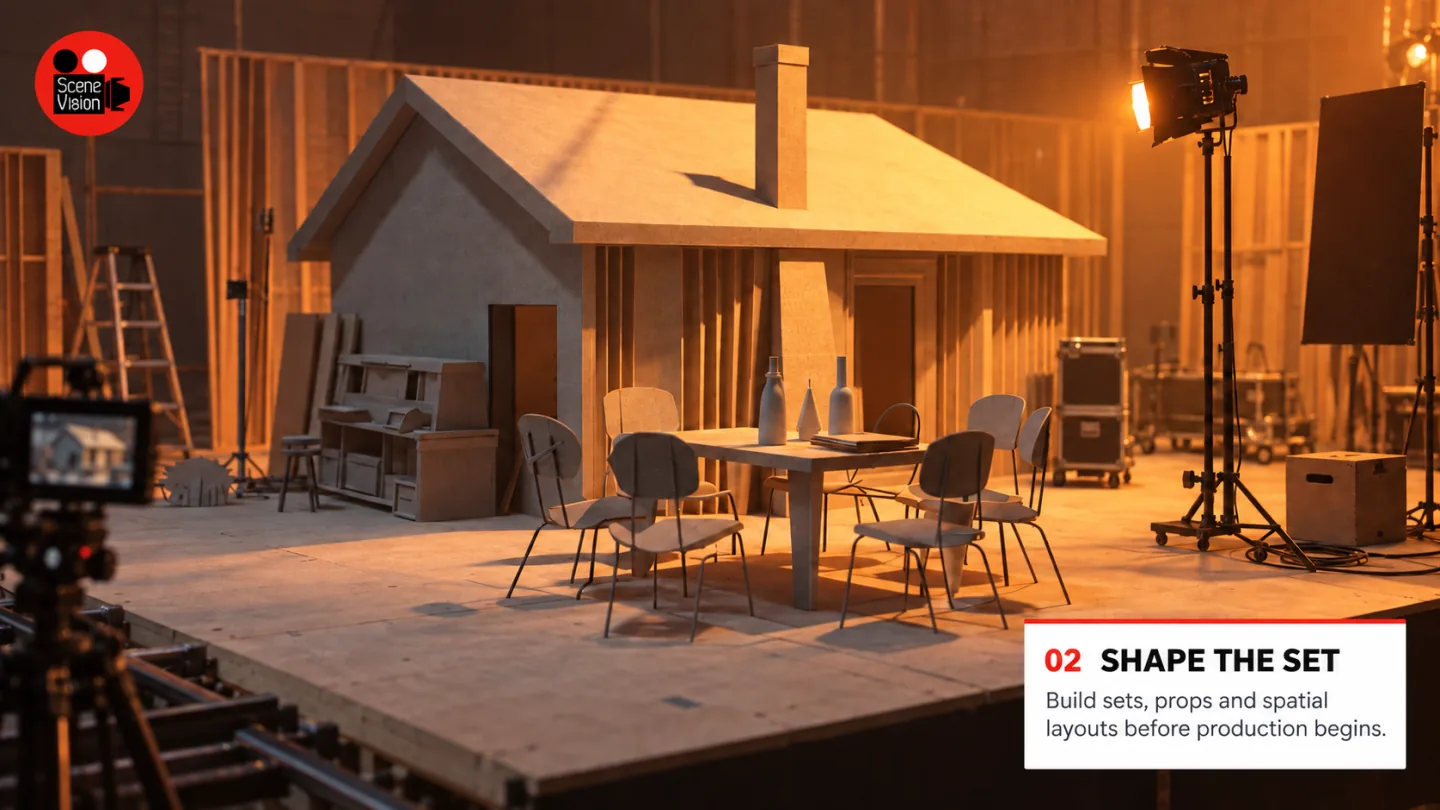
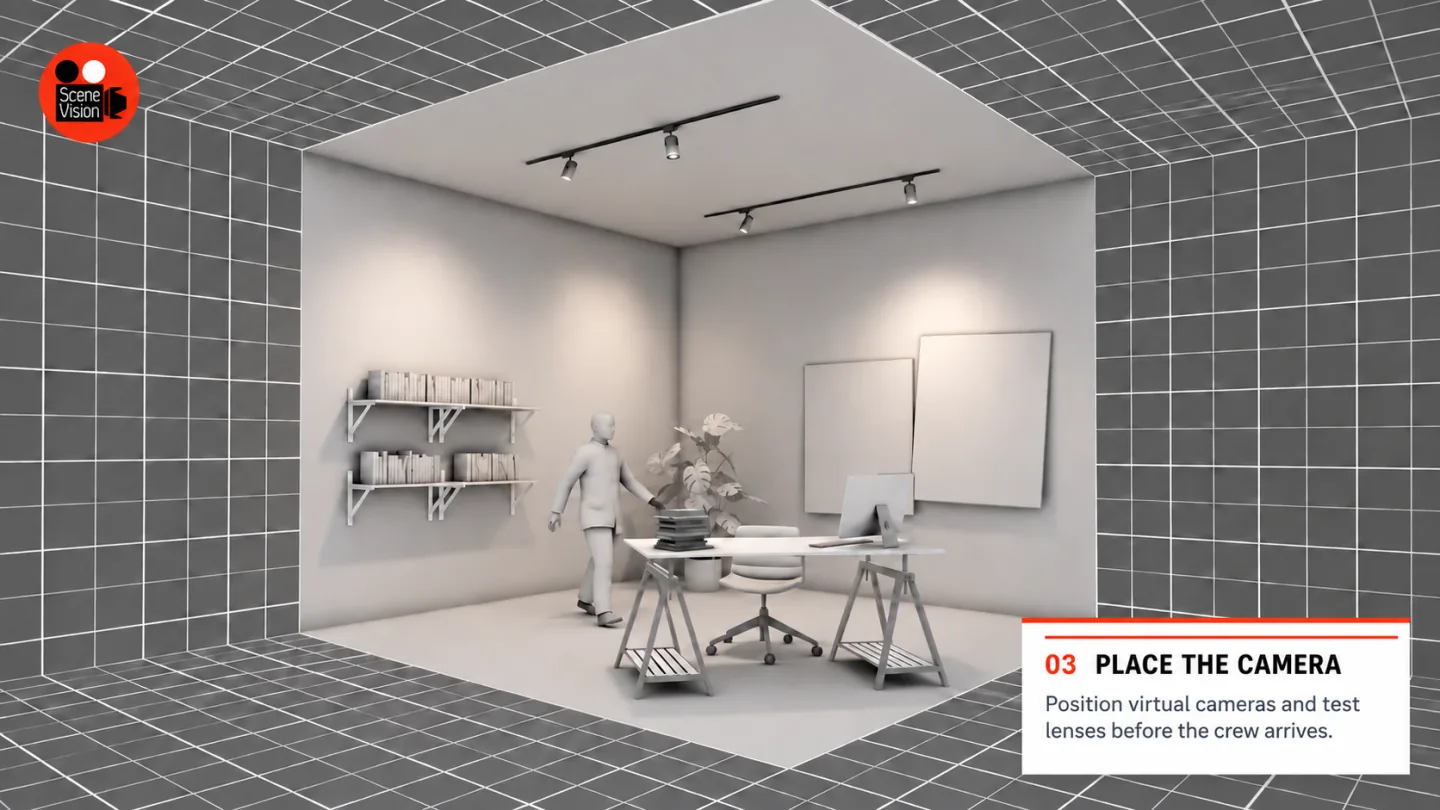
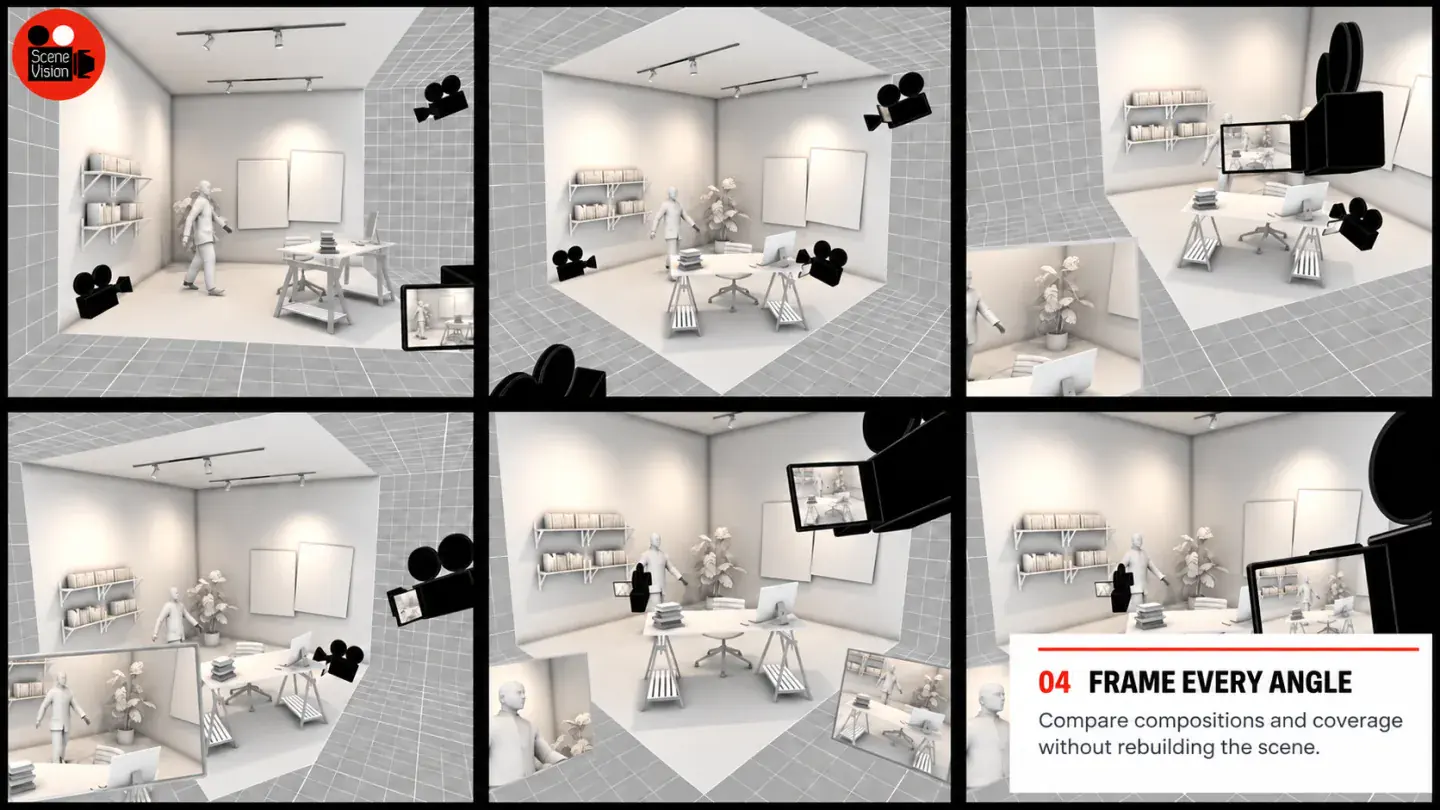
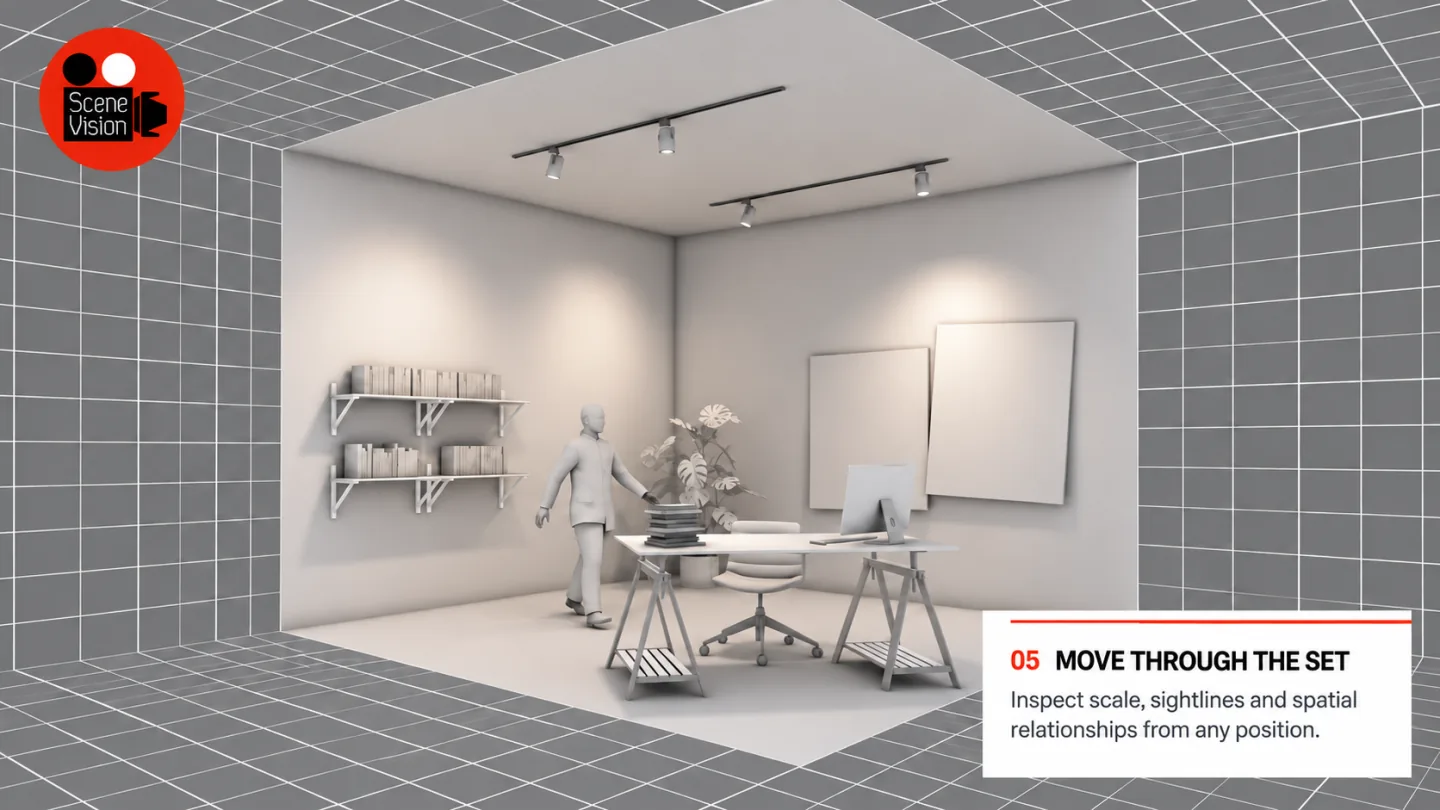
We designed and built web and VR prototypes that allow directors, production designers and cinematographers to construct virtual sets, explore them at full scale and test cameras, lenses, lighting and blocking together.
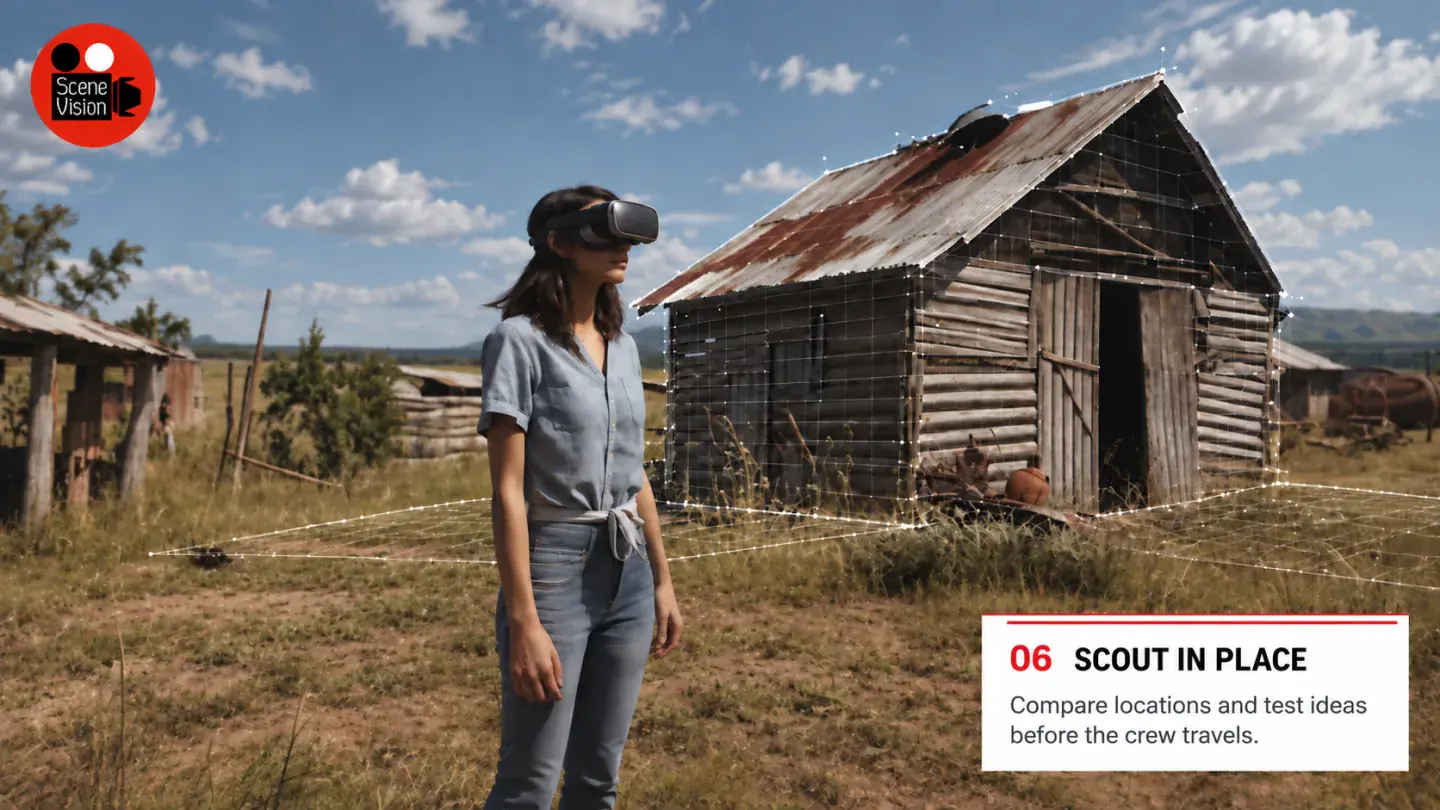
A command-centre view keeps the entire production visible, while immersive mode places collaborators inside the scene from the perspective of the camera or performer. Teams can compare coverage, explore locations and adjust ideas before physical production makes every change expensive.
The wider product vision connects script interpretation, location scouting, set design, rehearsal and collaborative review. AI can assist with routine planning, while creative decisions remain with the people making the film.
The aim is simple: give productions more freedom to experiment before the shoot begins.
Scene Vision is currently in development.
Visuals combine working prototype material with concept visualisations of the intended workflow.